Quick verdict
For a cat scratching a couch corner, protect only the repeated target instead of covering the entire sofa. Then put a stable vertical post, sisal mat, or cardboard scratcher directly beside the corner so your cat can keep the same stretch and marking routine. A guard is a temporary barrier, not the complete fix: if the new target is too far away, wobbly, or the wrong angle, the protected corner may become interesting again as soon as the guard comes off.
What to try first
- Map the damage. Check whether your cat uses the outside edge, the front face, the top seam, or the carpet beside the corner. Each target suggests a different guard and scratcher angle.
- Measure before buying. A narrow protector may leave the favorite strip exposed, while an oversized rigid guard can block the cat's path or create a new climbing obstacle.
- Place the replacement at the corner. Put the scratcher so one paw can reach it from the old target. Move it gradually only after your cat uses it consistently.
- Test the material first. Use adhesive guards on a hidden area and inspect delicate upholstery. Do not assume a product is safe for leather, velvet, microfiber, painted wood, or antique fabric.
- Reward voluntary scratching. Use a treat, praise, or a short play session after your cat chooses the scratcher. Never force the paws onto the surface.
Product shortlist
Build the smallest setup that fits your corner: one temporary barrier, one surface that matches the cat's preferred angle, and claw care only if it can be done calmly.

CLAWGUARD Cat Training Tape Sheets for a temporary barrier on one couch corner
Use the sheets only on the exact area being scratched while a replacement target sits next to it. Start with a hidden patch and remove the guard if the fabric, finish, or your cat's paws show a problem. Skip adhesive barriers on leather, velvet, microfiber, painted wood, or any irreplaceable upholstery.
View on Amazon
SmartCat Pioneer Pet Ultimate Scratching Post for cats that attack the upright corner edge
A tall, stable sisal post is the closest match when your cat stretches up the side of the sofa. Place it so the cat can pivot from the old corner to the post. Skip it if your cat only scratches flat rugs or if the base slides when pushed.
View on Amazon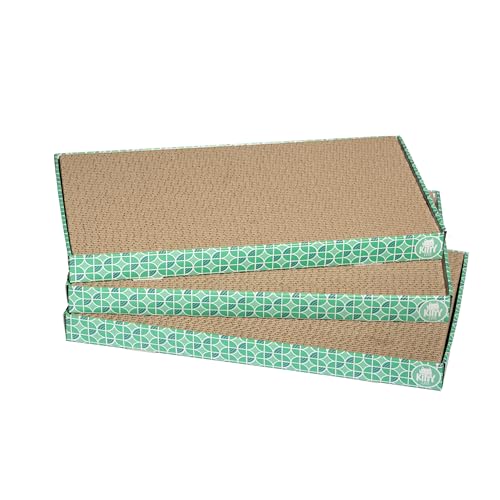
Kitty City XL Corrugated Cat Scratcher for cats that scratch the lower front corner
Use this flat beside the sofa when your cat pulls at the bottom edge, rug, or carpet rather than reaching upward. Its wide surface can be a better match than a post. Skip it if your cat chews and swallows cardboard pieces.
View on Amazon
JW Pet GripSoft Cat Nail Clippers for reducing snagging while the corner is protected
Short, calm trims can reduce damage from sharp claw tips while your cat learns the new target. Trim only the clear tip if you know how, and stop if your cat struggles. Skip this purchase if handling already causes panic; ask a vet or groomer for a demonstration instead.
View on AmazonChoose the right corner setup
| Corner damage pattern | Try first | Why |
|---|---|---|
| Claws go up the outside edge. | Temporary guard plus tall sisal post | It blocks the rehearsal and preserves the cat's vertical stretch. |
| Claws pull across the lower front. | Cardboard scratcher or sisal mat beside the sofa | The cat can use a low, forward-pulling motion without changing angle. |
| The cat scratches after waking near the sofa. | Scratcher at the nap-to-room transition | It catches the natural stretch before the cat reaches the corner. |
| The protector peels or makes the cat avoid the area. | Remove it and use a physical furniture guard | The barrier should not create a new stressor or leave adhesive on the upholstery. |
| The cat switches to another sofa corner. | Improve placement and add a second legal target | The cat may be seeking a visible scratching station, not one specific piece of fabric. |
What to skip
- Covering the whole sofa indefinitely. Protect the repeated corner while the replacement habit is forming, then reduce the barrier gradually.
- Unscreened adhesive on delicate fabric. Test a hidden spot and follow the surface manufacturer's care guidance.
- Loose blankets as the only fix. A throw can protect fabric, but it may slide, bunch up, or become another fun thing to scratch.
- Spray bottles and yelling. They interrupt the behavior without teaching a better target and may make the sofa area feel unsafe.
- Declawing as furniture protection. Scratching is normal behavior; use redirection, protection, and calm claw care instead.
The 7-day corner reset
- Day 1: Photograph and measure the damaged zone, then identify the angle your cat uses.
- Day 2: Put one stable scratcher immediately beside the corner and test the protector on a hidden patch.
- Days 3-4: Reward every voluntary touch or scratch on the new surface with play, praise, or a small treat.
- Days 5-6: Keep the old corner protected and check daily for adhesive residue, loose pieces, or paw irritation.
- Day 7: If the scratcher is being used, keep it in place. Move it only a few inches at a time after the habit is reliable.
When a furniture guard is not enough
New or unusually intense scratching can follow stress, boredom, a household change, conflict with another pet, or discomfort. If your cat also hides, stops eating, overgrooms, shows pain, changes litter box habits, or becomes unusually aggressive, ask your vet before buying more protection. Gear is not a substitute for veterinary care or a qualified behavior professional.
FAQ
How do I protect a couch corner from cat scratches?
Protect only the repeated corner with a surface-tested temporary barrier, then place a stable scratcher directly beside it. The guard works best as part of a redirect, not as the only solution.
What is the best cat couch corner protector?
The best option depends on the upholstery and the exact damage. Test adhesive on a hidden area, avoid delicate materials, and choose a physical guard when residue or finish damage would be unacceptable.
Will a blanket stop a cat from scratching the sofa corner?
A thick throw may reduce contact temporarily, but it can slide or become another scratch target. Pair any fabric cover with a nearby scratcher and remove it gradually once the new habit is established.
How long should I leave a couch corner protector on?
Use it only while the replacement habit is forming and inspect it daily. After consistent scratcher use, remove it gradually and keep the legal target in the same visible location.