Quick verdict
When a cat ignores a scratching post, do not start by buying a taller version of the same thing. Watch what your cat scratches now. A cat pulling at the front of a rug may want a horizontal cardboard scratcher, while a cat stretching up a door frame needs a tall, stable vertical post. Put the replacement beside the existing target, protect only the damaged area for a short time, and reward investigation without forcing your cat's paws onto the surface.
What to try first
- Copy the current angle. Note whether your cat scratches vertically, horizontally, diagonally, or along a corner. Choose a new surface that lets the cat make the same movement.
- Move the scratcher to the habit. Place it directly beside the couch, rug, doorway, or nap spot your cat already uses. A scratcher hidden in another room has little chance against a convenient piece of furniture.
- Make it stable. Hold the base while your cat tests it. If it wobbles, tips, or slides, anchor it or replace it; one failed attempt can teach the cat that the old target feels better.
- Offer a calm invitation. Drag a toy past the scratcher, sprinkle a small amount of catnip only if your cat responds to it, or reward a sniff and a paw touch. Never grab the paws and rub them on the scratcher.
- Give the new habit time. Keep the scratcher in the chosen spot for at least a week before moving it. Reward use immediately with a treat, play, or quiet praise.
Product shortlist
These options cover the most common reasons a cat ignores a scratcher: the post is too short or unstable, the cat prefers cardboard, the old target is too rewarding, or sharp claw tips are making the damage worse.

SmartCat Pioneer Pet Ultimate Scratching Post for cats that need a full vertical stretch
Try this when your cat reaches up a couch arm, door frame, or wall corner. Its tall profile and broad base make it a better test than a tiny decorative post. Skip it if your cat only scratches flat surfaces or if you cannot place it beside the current target.
View on Amazon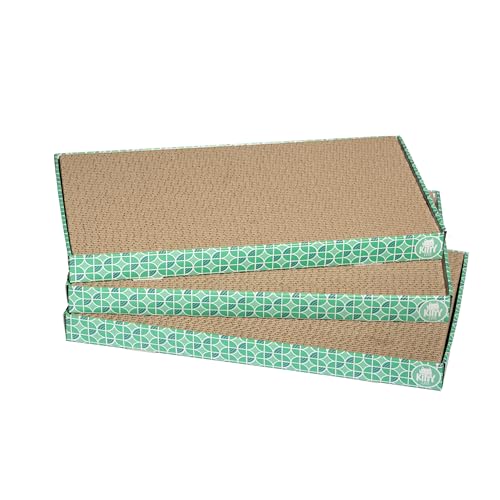
Kitty City XL Corrugated Cat Scratcher for cats that prefer cardboard
A wide cardboard scratcher is a useful second test when your cat ignores sisal but scratches rugs, boxes, or paper. Put it flat beside the favorite target and replace it when it becomes loose or heavily shredded. Skip it if your cat eats the cardboard rather than scratching it.
View on Amazon
CLAWGUARD Cat Training Tape Sheets for protecting one old target while retraining
Use a temporary barrier on the exact furniture area your cat keeps rehearsing, with a matched scratcher immediately beside it. Test adhesive on a hidden spot first and do not use it on leather, velvet, microfiber, painted wood, or any surface that could be damaged.
View on Amazon
JW Pet GripSoft Cat Nail Clippers for reducing damage while the habit changes
Trimming only the sharp clear tip can reduce snagging and fabric damage, but it will not replace a legal scratching surface. Skip home trimming if your cat panics or you are unsure where the quick is; ask a vet or groomer to show you.
View on AmazonWhich scratcher should you try?
| What your cat scratches now | Try first | Why it may work |
|---|---|---|
| Door frame, wall corner, or sofa arm. | Tall sisal post | It matches the full-body vertical stretch and marking motion. |
| Rug, carpet, or the bottom of furniture. | Wide cardboard or horizontal scratcher | The cat can pull forward and down without changing the preferred angle. |
| Scratches only after waking up. | Stable scratcher beside the nap spot | It catches the natural stretch before the cat walks to another target. |
| Sniffs the post but never commits. | Move it to the exact target and add play | Location and timing may matter more than a new texture. |
| Uses the post once, then it slides away. | Heavier base or anchored scratcher | Predictable footing makes the replacement feel safe and repeatable. |
What to skip
- Buying five scratchers at once. Change one variable at a time so you learn whether angle, texture, stability, or location was the problem.
- Putting the post in a quiet corner. Scratching often happens in social, visible, or transition areas where the cat already spends time.
- Forcing the paws onto the surface. This can make the scratcher feel threatening and does not teach a voluntary replacement habit.
- Using punishment or spray bottles. They may interrupt the moment without showing the cat what to do instead, and can make the home feel less safe.
- Assuming every cat likes catnip. Some cats do not respond to it, so do not judge a scratcher by a catnip test alone.
A simple 7-day reset
- Day 1: Watch and record the target, angle, time, and texture your cat chooses.
- Day 2: Put one matched scratcher directly beside that target and make sure it cannot wobble.
- Days 3-4: Use a short play session or a treat to create interest, then reward any voluntary use.
- Days 5-6: Protect only the old target if needed, checking the furniture and the cat's paws for irritation.
- Day 7: Keep the scratcher in place if it is being used. Move it only a few inches at a time after the habit is reliable.
When a scratcher is not the real issue
A sudden change in scratching can follow stress, boredom, household changes, conflict with another pet, or discomfort. If your cat also hides, stops eating, overgrooms, becomes unusually aggressive, changes litter box habits, or seems painful, ask your vet before treating the problem as a product failure. Gear is not a substitute for veterinary care or a qualified behavior professional.
FAQ
Why does my cat ignore the scratching post?
The post may be in the wrong location, use the wrong texture or angle, wobble, or be too small for a full stretch. Start by matching the surface to what your cat already scratches.
How do I get my cat to use a new scratching post?
Place it beside the current target, make it stable, invite interest with play or a small reward, and praise voluntary use. Do not force the paws onto it.
Should I put catnip on a scratching post?
You can test a small amount if your cat responds to catnip, but many cats do not. Location, stability, and matching the preferred scratching angle are usually more important.
How long does it take for a cat to learn a new scratcher?
Some cats use a well-matched scratcher immediately; others need several days of easy access and rewards. Keep it in the chosen spot for at least a week before moving it.