Quick verdict
For a cat scratching the couch, buy a stable vertical scratching post first and place it directly beside the damaged couch corner. Add temporary couch protection only where the cat scratches, not across the whole room. If the cat scratches low, carpet, or the front edge of the sofa, add a horizontal scratcher too. Nail trimming helps reduce damage, but it will not replace a good scratching target.
What to try before buying anything
- Mark the exact target. Notice whether your cat scratches the vertical arm, the front corner, the rug near the sofa, or the back of the couch.
- Move an existing scratcher there. If you already own a post, put it within paw reach of the damaged spot for a week.
- Stop hiding the good target. Scratchers tucked in a spare room rarely beat a sofa that is in the main social zone.
- Reward the first good scratch. Treats, praise, or play right after using the scratcher can help the redirect feel worth repeating.
Product shortlist
Start with the scratcher that matches your cat's preferred angle. Use couch protectors as a temporary guardrail while the new scratching spot becomes more attractive.
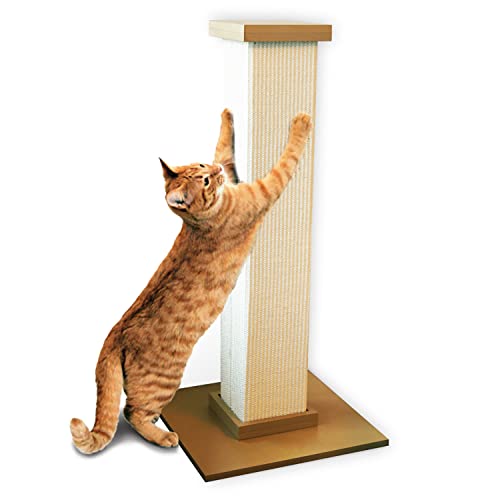
SmartCat Ultimate Scratching Post for vertical couch-arm scratchers
This is the first buy when your cat stretches up a sofa arm or corner. A tall, stable post lets the cat extend fully and dig into sisal instead of upholstery. Skip short wobbly posts if your cat already ignores them.
View on Amazon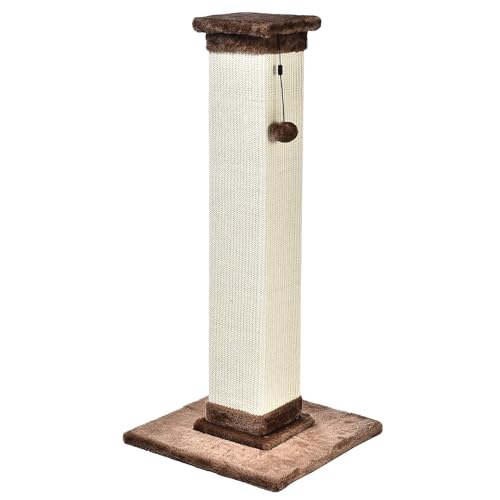
Amazon Basics Large Tall Cat Scratching Post for a simpler vertical test
Use this when you want a straightforward tall post before investing in a heavier premium one. It gives many cats the vertical stretch they are trying to get from the sofa. Skip it if your cat is large, intense, or already tips lighter posts.
View on Amazon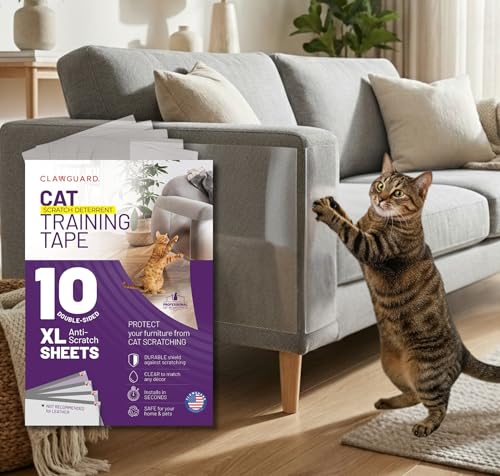
CLAWGUARD Cat Training Tape Sheets for short-term couch retraining
Sticky sheets can make the damaged spot less rewarding while the new scratcher sits beside it. Use them only on a hidden test area first. Skip adhesive guards on leather, velvet, microfiber, painted wood, or any fabric where residue would be a bigger problem than claw marks.
View on Amazon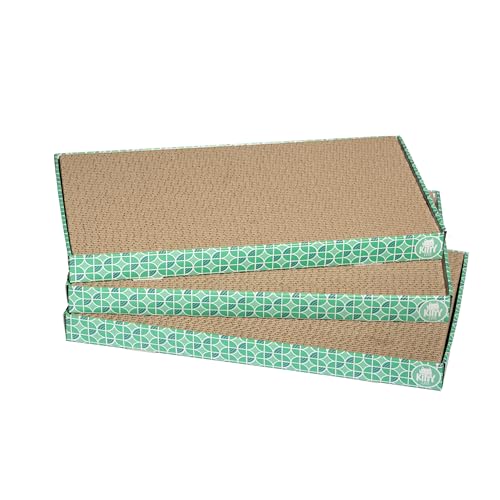
Kitty City XL Corrugated Cat Scratchers for cats that prefer cardboard
Some cats choose cardboard over sisal. A wide cardboard scratcher beside the couch can be the easy win for cats that scratch after naps or during play. Skip it if your cat chews and eats cardboard pieces.
View on Amazon
JW Pet GripSoft Cat Nail Clippers for reducing scratch damage
Clipping the sharp tips can reduce fabric damage while the redirect is working. Go slowly and trim only the clear tip if you know how; ask a vet or groomer if your cat fights handling. Skip forced trimming sessions that make the cat panic.
View on AmazonWhich setup should you buy?
| What your cat does | Buy first | Why |
|---|---|---|
| Stretches up the sofa arm. | Tall stable post | It matches the vertical stretch and gives the cat a better marking spot. |
| Scratches the front bottom edge. | Sisal mat or cardboard scratcher | The cat may prefer a lower horizontal angle. |
| Targets one exact corner. | Post plus temporary protector | The protector blocks rehearsal while the post becomes the new habit. |
| Scratches after waking from naps. | Scratcher beside the nap spot | Many cats scratch as a stretch and reset right after resting. |
| Damage is from sharp tips, not constant scratching. | Nail clippers plus a scratcher | Claw care reduces damage, but the cat still needs a legal scratch surface. |
What to skip
- Spray bottles. They may stop the moment, but they do not teach the cat where to scratch instead.
- Tiny decorative posts. If the post wobbles or does not allow a full stretch, the couch may still feel better.
- Covering the entire sofa forever. Protect the target zone while you build the replacement habit.
- Declawing as a furniture fix. Scratching is normal cat behavior. Use redirection, protection, and nail care instead.
The 7-day couch redirect
- Put the new scratcher directly beside the scratched couch spot, not across the room.
- Cover only the damaged target area with a tested protector or deterrent sheet.
- Scratch the post lightly with your fingers, then reward any interest with treats or play.
- Move play sessions so the cat ends near the scratcher instead of launching at the sofa.
- After a week of consistent scratcher use, move the post only a few inches at a time if you want it elsewhere.
When gear is not enough
Sudden destructive scratching can follow stress, boredom, household change, pain, or conflict with another pet. If scratching appears alongside hiding, appetite changes, aggression, litter box changes, overgrooming, or other new symptoms, treat it as a welfare question before buying more furniture guards.
FAQ
How do I stop my cat scratching the couch?
Place a stable scratcher right beside the damaged spot, protect the couch temporarily, and reward the cat for using the new target. The scratcher has to match the angle your cat already prefers.
Do couch protector sheets work for cats?
They can help as a temporary barrier, especially on one repeated target area. They work best when paired with a better scratcher nearby.
Is tape safe to use on a sofa?
Only use adhesive deterrents after testing a hidden spot. Avoid delicate fabrics, leather, velvet, microfiber, painted wood, or any surface where adhesive damage would be unacceptable.
Will trimming nails stop couch scratching?
No. Trimming can reduce damage from sharp tips, but it does not remove the cat's need to scratch, stretch, and mark territory.