Quick verdict
For a cat scratching a door frame, place a stable vertical scratcher directly beside the damaged trim and protect the frame temporarily with a loose cover or carefully tested guard. If the cat scratches low across the threshold, add a horizontal cardboard scratcher at floor level. Avoid sticking adhesive to painted wood until the exact finish has been tested; residue and lifted paint can cost more to repair than the original claw marks.
What to try before buying anything
- Watch the body position. A cat that stands and reaches needs a tall vertical surface. A cat that crouches at the threshold needs a low horizontal option.
- Put the replacement at the frame. Place it beside the exact corner, not in another room. Move it only after the new habit is established.
- Check the door pattern. If scratching happens when a door is closed, add a short play or food-puzzle routine before the usual trigger and avoid rewarding scratching by opening the door immediately.
- Make the frame boring. Clear cords, dangling fabric, and loose trim. Use a temporary loose cover or a furniture-safe barrier that cannot trap claws.
Product shortlist
Start with one scratcher that matches the frame behavior. Add a temporary barrier or claw-care tool only if the frame is still being rehearsed.
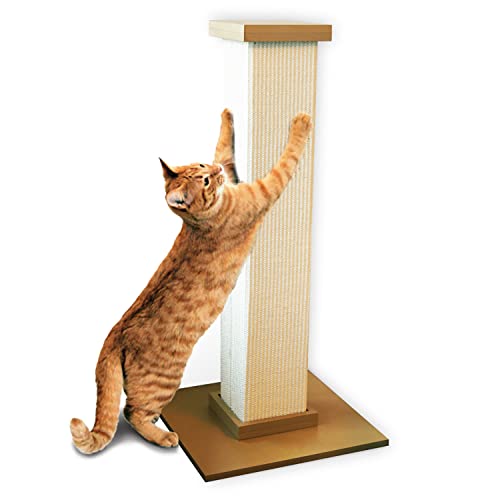
SmartCat Ultimate Scratching Post for vertical door-frame scratches
This is the first test when the cat rises up and pulls down the frame. Its height lets the cat stretch fully while the nearby placement catches the same moment the frame used to provide. Skip it if the cat only scratches flat surfaces or the base cannot stay stable.
View on Amazon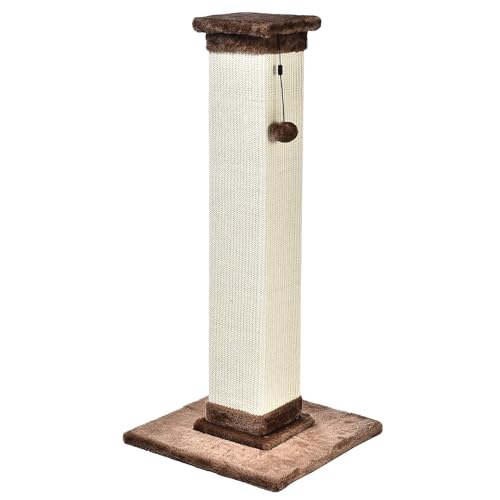
Amazon Basics Large Tall Cat Scratching Post for a simpler vertical test
Use this when you want to test a tall scratcher beside the frame before choosing a heavier option. Check the base after a full stretch and place it so the door can still open safely. Skip it if your cat tips light posts or needs a wider panel.
View on Amazon
Kitty City XL Corrugated Cat Scratcher for low threshold scratching
A wide cardboard scratcher works when the cat claws at the bottom of the frame, door threshold, or floor edge. Put it beside the target and keep it from sliding when the cat pulls. Skip cardboard if pieces are being chewed and swallowed.
View on Amazon
CLAWGUARD Cat Training Tape Sheets for a tested temporary trim barrier
Use adhesive only on a small, hidden, non-porous test area where the door-frame finish can tolerate it. The goal is to interrupt rehearsal while the scratcher sits beside the target. Skip it on painted, old, flaky, textured, or delicate trim unless the exact surface has been tested and the product is appropriate.
View on Amazon
JW Pet GripSoft Cat Nail Clippers for reducing sharp-tip trim damage
Calm, careful tip trimming can reduce snagging while the new scratcher becomes familiar. Trim only what you can see safely and ask a vet or groomer for help if handling is difficult. Skip forced sessions that make the cat panic.
View on AmazonWhich setup matches the door frame?
| What you notice | Try first | Why |
|---|---|---|
| Long vertical claw marks on the trim. | Tall stable post | It matches the cat's standing stretch and downward pull. |
| Scratches cluster at the threshold. | Wide horizontal scratcher | The cat is choosing a low surface and a forward pull. |
| Scratching starts when the door closes. | Pre-trigger play or puzzle routine | It reduces the chance that the frame becomes the way to request access. |
| The frame is painted or delicate. | Loose cover and no untested adhesive | Finish damage can be more difficult to repair than claw marks. |
| The cat scratches several doorways. | One scratcher at each high-use route | Distance and timing may matter more than one premium product. |
What to skip
- Untested tape on painted trim. Adhesive can lift paint, leave residue, or expose a larger repair.
- A scratcher across the room. It is less useful when the door frame is the established target.
- Shouting, spraying, or chasing. Punishment does not teach the cat where to scratch instead.
- Blocking a doorway completely. Never create a trip, escape, or access hazard for the cat.
- Moving the scratcher away too soon. Keep it beside the frame until the replacement habit is reliable.
The 10-minute door-frame reset
- Photograph the frame and identify the cat's height, angle, and usual trigger.
- Place a matching scratcher directly beside the damage without blocking the doorway.
- Cover the target loosely or use a tested, surface-safe barrier; do not trap claws or make the exit unsafe.
- Offer calm praise, a treat, or a short play session when the cat uses the replacement.
- Keep the setup steady for a week before judging it, then move the scratcher gradually if needed.
When gear is not enough
Door scratching can be normal, but a sudden increase may accompany stress, a move, conflict with another pet, or a new household routine. Add safe scratching and vertical territory, and ask a qualified behavior professional for help when scratching is part of wider distress. If the cat is frantic around a closed door or showing other sudden behavior changes, address the cause instead of adding stronger deterrents.
FAQ
How do I stop my cat from scratching the door frame?
Put a stable scratcher beside the exact damaged area, match the cat's preferred angle, protect the frame temporarily, and reward the replacement instead of punishing the cat.
Can I use double-sided tape on a door frame?
Only after testing the exact finish and confirming the product is suitable. Painted, old, textured, or delicate trim can be damaged by adhesive; a loose cover is often safer.
What kind of scratcher works for a door frame?
Use a tall vertical post for standing scratches and a wide horizontal scratcher for threshold-level marks. Placement beside the frame and stability are essential.
Why does my cat scratch the door when it is closed?
The trigger may be access, attention, play, or stress. Offer a predictable alternative routine before the trigger, keep a scratcher at the doorway, and avoid rewarding the scratching by opening the door immediately.