Quick verdict
For a senior cat, buy or adapt the litter box around access first: a low step-in, a large enough interior to turn comfortably, a non-slip floor, and a quiet route. Keep the familiar box during a gradual transition and place the new option nearby. A ramp or mat can help only if it is stable and does not create a wobble, raised lip, or blocked escape route.
Check the cat's movement before choosing a box
- Watch the approach. Notice whether your cat hesitates at a step, slips on the floor, struggles to squat, or avoids turning inside the box.
- Measure usable space. A low-entry box still needs enough room for the cat to turn, dig, and leave without pressing against the walls.
- Shorten the route. Put the box close to the cat's main resting area, but away from food and water and not in a place where another pet can block the exit.
- Keep footing predictable. A flat, non-slip surface outside the entrance is more useful than a soft cushion that shifts under the paws.
- Change one thing at a time. Keep the old box and familiar litter available until the senior cat is using the new setup calmly.
Product shortlist
These products support a senior-cat setup, but no product card replaces checking entry height, interior room, stability, and your cat's ability to use it without pain.

PetFusion BetterBox Non-Stick Litter Box for an open box you can inspect easily
An open box makes it easier to see whether a senior cat can step in, turn, and squat normally. Compare the actual entry and interior dimensions with your cat before ordering. Skip it if the rim is still too high or the box would force a painful turn.
View on Amazon
iPrimio Stainless Steel Cat Litter Box for a smooth box that is easy to reset
A smooth, washable surface can make cleanup easier when an older cat has occasional misses or the current pan holds odor. Confirm the entry is comfortable and keep the familiar box nearby during the switch. Skip it if the available size or lip makes movement harder.
View on Amazon
iPrimio Cat Litter Trapper Mat for stable footing after the box
Use a flat mat on the exit path to collect loose litter and give the cat a defined surface between the box and the room. Secure it so it does not slide or curl. Skip it if the texture is uncomfortable, catches claws, or makes the cat jump.
View on Amazon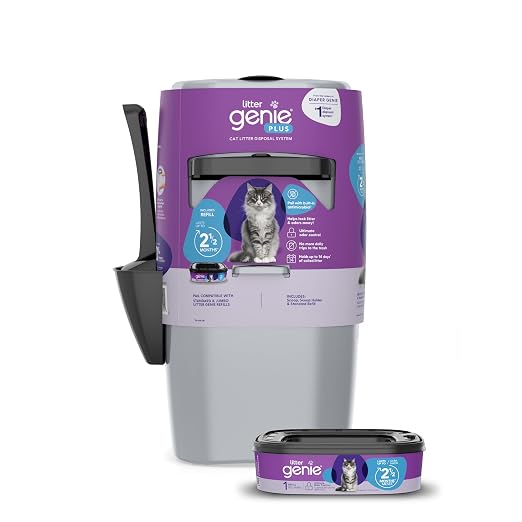
Litter Genie Plus Pail for keeping daily cleanup close but out of the way
A sealed waste pail reduces the need to carry a dirty scoop or bag across the home after every cleanup. Place it outside the cat's route and empty it regularly. Skip it if you can remove waste immediately and the pail would crowd the senior cat's space.
View on Amazon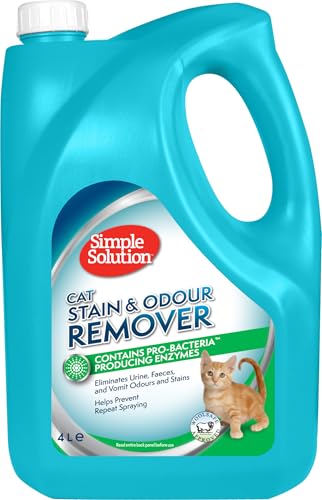
Simple Solution Cat Stain and Odor Remover for occasional misses around the box
Use an enzyme cleaner on urine outside the box only when it is labeled for the surface, then keep the cat away until the area is dry. It helps remove the odor cue while you address access or health. Skip fragrance sprays and do not treat repeated accidents as a cleaning-only problem.
View on AmazonWhich senior-cat setup should you choose?
| What you see | Try first | Why |
|---|---|---|
| Hesitates or struggles to step over the rim. | Lower-entry open box | Reduce the step without sacrificing the interior room needed to turn and dig. |
| Slips on tile or slides when entering. | Secure flat mat or non-slip floor layer | Stable footing can make the approach feel safer than a soft, shifting ramp. |
| Misses happen beside the box. | Second low-access box nearby | Shorten the route while you investigate pain, urgency, or access difficulty. |
| Box is hard to wash after an accident. | Smooth open box plus enzyme cleaner | Make the station easier to reset, but keep the cat's familiar option during the transition. |
| Another pet blocks the route. | Separate quiet box location | Access and escape matter more than hiding the box or adding a lid. |
What to skip
- Small boxes sold as senior-friendly. A low rim does not help if the cat cannot turn or squat comfortably.
- High-sided boxes and top-entry boxes. They add a step or climb that may be difficult for a cat with stiffness or weakness.
- Unsecured ramps. A ramp that shifts, tips, or narrows the exit can make the route less safe.
- Sudden litter or box changes. Transition gradually and preserve a familiar option.
- Punishment for misses. Clean the area calmly and investigate the reason instead of increasing fear around the box.
The senior-cat transition plan
- Place the low-access option beside the familiar box with the same litter and a clear route.
- Secure the mat or floor layer and watch one complete approach, use, and exit before leaving the setup unattended.
- Keep both boxes clean and record which one the cat chooses without carrying or placing the cat inside.
- Move the new box only a small distance at a time if the old location is unsafe or inconvenient.
- Clean misses with an appropriate enzyme product and contact your vet if accidents, straining, pain, or other changes continue.
When mobility changes need a vet
Ask your vet about new stiffness, difficulty jumping, trouble squatting, repeated box trips, straining, blood, crying, inability to pass urine, constipation, vomiting, appetite changes, hiding, or sudden accidents. Older cats can have pain or medical conditions that make a normal box difficult to use. Products can improve access, but they are not a substitute for veterinary care or a qualified behavior professional.
FAQ
What is the best litter box for a senior cat?
Choose a roomy open box with the lowest practical entry, stable footing, and a short quiet route. Measure the usable interior as well as the step-in height.
How low should a senior cat litter box entrance be?
There is no single safe height for every cat. Choose the lowest option your cat can use comfortably while still providing enough interior space, and ask your vet if movement looks painful.
Will a ramp help an arthritic cat reach the litter box?
It may help when it is wide, stable, and easy to approach, but a low-entry box closer to the resting area is often simpler. Remove any ramp that shifts or blocks the exit.
Why is my older cat suddenly missing the litter box?
Pain, urinary or digestive problems, weakness, stress, access conflict, and box preference can all contribute. Sudden changes need a veterinary check before more products.