Quick verdict
For cat pee outside the litter box, first locate every affected area, blot or remove the urine, then use an enzymatic cleaner according to its label and give it the full contact time. Regular surface cleaner may remove the visible mark while leaving odor behind. If the accident is sudden, repeated, or paired with straining, frequent trips, blood, crying, vomiting, appetite changes, or distress, call your vet promptly; cleanup gear is not the first fix for those signs.
What to do before buying anything
- Keep the cat away while cleaning. Move the cat, food, water, and bedding away from the wet area until the surface is safe and dry.
- Blot, do not scrub outward. On fabric or carpet, press with disposable towels and work from the outside edge toward the center so the spot does not spread.
- Check the whole zone. Look at the floor, baseboard, furniture legs, rug pad, and any soft item the urine may have reached.
- Do not mix chemicals. Never combine cleaners, bleach, ammonia, or disinfectants. Follow the product label and ventilate the room.
- Record the pattern. Note the time, location, amount, posture, and any changes in litter-box use. That information helps your vet or behavior professional.
Product shortlist
Start with the cleaner and a way to find the hidden edge. Add replacement or protection items only after you know whether the accident reached carpet, wood, grout, or upholstery.
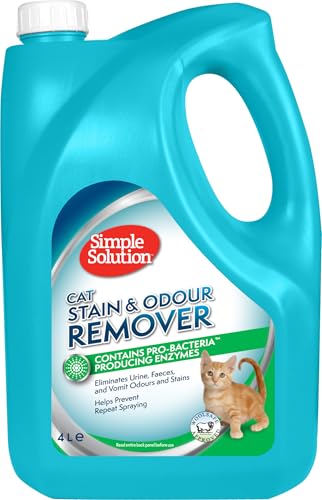
Simple Solution Cat Stain and Odor Remover for urine on floors, rugs, and fabric
An enzymatic cleaner belongs in the first cleanup pass when urine reached a floor, rug, baseboard, or soft surface. Apply only as directed for that material, allow the stated dwell time, and spot-test first. Skip it if you have not checked whether the surface or finish is compatible.
View on Amazon
Vansky UV Flashlight Black Light for locating dried urine edges
A UV flashlight can help you inspect dark rooms, carpet edges, and baseboards for spots you cannot see in normal light. Treat fluorescence as a clue, not proof: detergents and other materials can also glow. Skip the search if the room cannot be darkened enough to make the scan useful.
View on Amazon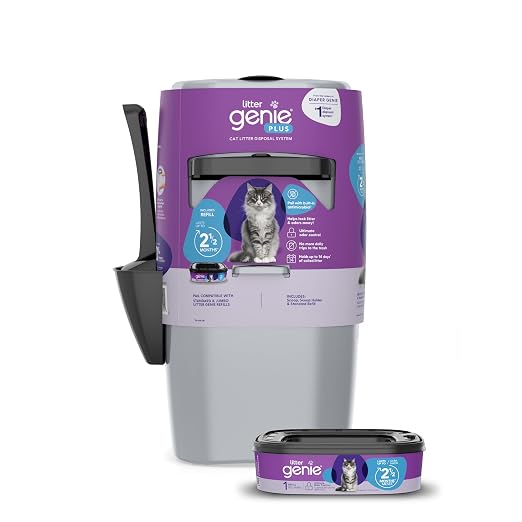
Litter Genie Plus Pail for towels and litter waste that should not sit open
A sealed pail keeps used towels or scooped litter from becoming a second odor source while you finish the cleanup. Keep it away from food, water, and the cat's resting area. Skip it if you can remove bagged waste directly and do not need temporary storage.
View on Amazon
PetFusion BetterBox Non-Stick Litter Box for checking whether the box setup is part of the problem
If the existing box is cracked, holds odor, is too small, or is hard to enter, a cleanable open box can be a useful comparison option. Keep the familiar box during any transition and make sure the new box is large enough. Skip a box change when accidents are sudden and health signs have not been ruled out.
View on Amazon
DuraScoop Original Cat Litter Scoop for keeping the box easier to use
A scoop that removes clumps cleanly supports the prevention side of the problem: a box that stays cleaner is easier to keep attractive and comfortable. Use slow passes and clean the scoop. Skip it if the accidents are unrelated to box cleanliness or access.
View on AmazonWhich cleanup setup should you choose?
| Where the urine is | Buy first | Why |
|---|---|---|
| Hard floor, tile, or baseboard. | Enzyme cleaner plus towels | Contain the liquid, clean the edges, and let the product work on the odor source. |
| Carpet or rug with an unknown boundary. | UV flashlight plus enzyme cleaner | Scan first so you do not clean one bright spot while leaving the perimeter behind. |
| Furniture, bedding, or a washable mat. | Enzyme cleaner and a washable replacement layer | Remove the soft item when possible and keep the cat away until it is fully treated and dry. |
| Repeated misses beside the box. | Cleanup gear plus an open comparison box | Odor removal matters, but the box size, access, litter, and location may also need review. |
| One sudden accident with urinary signs. | Veterinary call first | Products cannot diagnose or treat pain, urinary blockage, infection, or other medical problems. |
What to skip
- Bleach or ammonia on urine. Do not mix cleaners, and avoid adding ammonia-like odor to an area where a cat may urinate again.
- Steam or heat as the first response. Check the surface and cleaner label before using heat, especially on carpet, upholstery, or finished wood.
- Fragrance sprays. They mask odor for people and can make the area less comfortable for a scent-sensitive cat.
- Closing the cat in the cleaned room. Keep the cat away during treatment, then restore access only when the product is dry and the room is ventilated.
- Punishment after the accident. It does not teach the correct toilet location and can increase fear or avoidance.
The complete cleanup sequence
- Find the visible spot and use a UV scan in a dark room to check nearby edges, rugs, and baseboards.
- Remove the cat, bedding, food, and water from the area. Put on gloves and blot or lift urine without spreading it.
- Apply the enzyme cleaner to the affected material exactly as its label directs. Give it the full dwell time and do not mix it with another product.
- Rinse or launder only when the product label and surface allow it. Dry completely and check the odor again after the room is neutral.
- Clean the litter box, confirm a clear route, and write down the accident pattern. Repeat cleanup if odor remains; do not keep layering fragrance.
When cleanup gear is not enough
Any sudden change in urination deserves attention. Call your vet promptly for straining, repeated box trips, crying, blood, inability to pass urine, vomiting, major appetite changes, hiding, or visible distress. Repeated accidents can also come from stress, conflict, litter preference, box access, or location, so ask a qualified behavior professional if the medical check is clear and the pattern continues. Do not punish the cat or assume the accident is spite.
FAQ
What is the best cleaner for cat pee outside the litter box?
Start with an enzymatic cat urine cleaner that is labeled for the affected surface. Follow its directions, allow the stated contact time, and spot-test first.
Can a UV flashlight find cat urine?
It can help reveal likely dried spots in a dark room, but laundry products and other substances can also fluoresce. Use it to map where to investigate, not as a diagnosis.
How do I get cat pee smell out of carpet?
Find the full area, blot without spreading, use an enzyme cleaner compatible with the carpet, follow its dwell instructions, and dry fully. If urine reached the pad, surface treatment alone may not be enough.
Why is my cat suddenly peeing outside the box?
Pain or urinary disease, stress, access conflict, litter preference, box cleanliness, and location can all contribute. Sudden changes or urinary signs need a veterinary call before you buy more cleanup products.