Quick verdict
Start with a scoop that removes clumps without breaking them apart, then add a sealed waste pail and keep both within one easy reach of the box. Put a mat on the cat's real exit path and store the scoop handle or caddy outside the toilet zone when possible. A scoop station should make daily cleaning easier; it should never crowd the box, block an escape route, or replace investigating sudden litter-box changes.
Set up the station before buying a pile of gear
- Stand where the scoop will be used. Notice where your hand, waste bag, and pail can go without stepping into the cat's entry or exit path.
- Keep clean and dirty zones separate. The scoop and waste pail belong beside the box; towels, food, water, and cat bedding do not.
- Measure the storage spot. A narrow wall hook, caddy, or shelf is often more useful than a large cabinet that makes the bathroom or laundry area hard to move through.
- Choose a daily cue. Scoop after breakfast, before bed, or at another reliable time so the task does not depend on noticing odor.
Product shortlist
Buy the missing layer in your routine. Most homes need one good scoop and a waste plan before they need specialized deodorizer or a second storage system.
DuraScoop Original Cat Litter Scoop for lifting intact clumps
A sturdy metal scoop is the first buy when a thin plastic scoop bends, breaks clumps, or leaves wet residue behind. Use slow passes and shake clean litter through the gaps. Skip it if your current scoop already removes clumps cleanly and comfortably.
View on Amazon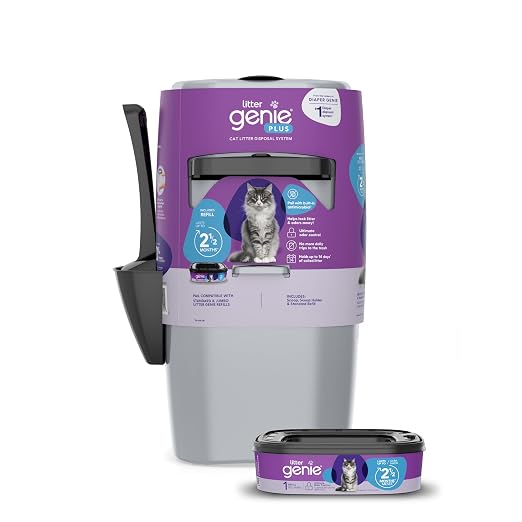
Litter Genie Plus Pail for sealing scooped waste
A dedicated pail keeps the used clumps from sitting in an open bathroom or laundry trash can. Place it where the scoop naturally ends up, but not where the cat can knock it over or where food and water are stored. Skip it if every scoop goes straight outside.
View on Amazon
iPrimio Cat Litter Trapper Mat for the station's exit zone
Put the mat where paws actually land after the box, not only beneath the rear edge. It gives loose granules a defined place to collect before they reach the rest of the room. Skip it if the cat slips, jumps over it, or catches claws on the surface.
View on Amazon
Bissell Pet Hair Eraser Cordless Hand Vacuum for loose litter around the station
A small vacuum is useful for the few granules that escape the mat or sit beside the box after scooping. Keep it outside the cat's path and empty it regularly. Skip it if a hand broom or shakeable mat already handles your small daily scatter.
View on Amazon
PetFusion BetterBox Non-Stick Litter Box for an easier-to-reset station
If the current pan is cracked, holds odor, or makes clumps stick to the bottom, a smooth open box can make the station easier to maintain. Check the size and preserve a familiar option during the change. Skip a new box when the actual issue is sudden avoidance or urinary distress.
View on AmazonWhich scoop station should you build?
| Your current problem | Buy first | Why |
|---|---|---|
| Clumps break while you scoop. | Sturdy scoop | Whole clumps remove more of the wet odor source and leave less residue behind. |
| The box is clean but the room still smells. | Sealed waste pail | The used clumps may be sitting in the room after they leave the box. |
| Litter spreads across the first few steps. | Exit mat | Catch loose granules at the real exit instead of putting a tiny mat under the box. |
| A few granules remain after each scoop. | Hand vacuum or broom | Make the last part of the routine quick enough to do every day. |
| The box is hard to wash or holds odor. | Cleanable open box | A resettable box helps, but it must still be comfortable and accessible for the cat. |
What to skip
- Open trash cans. They keep broadcasting odor after the box itself is clean.
- A scoop caddy inside the cat's toilet space. Human storage should not shrink the cat's room to turn and dig.
- Fragrance as a substitute for scooping. Strong scents can bother some cats and do not remove waste.
- Oversized mats that block the route. A mat that makes a cat jump, slip, or squeeze past the box is not helping.
- Automatic boxes as the first answer to a sudden change. Clean and assess the setup, then call the vet when symptoms or distress are present.
The five-minute daily scoop routine
- Check the cat's route and make sure the box entrance is clear before you start.
- Use the scoop to lift waste slowly, leaving clean litter behind and avoiding unnecessary digging.
- Drop waste into the sealed pail or take it directly outside; do not leave a tied bag beside the box.
- Shake or vacuum loose litter from the exit mat and floor, then return the scoop to its storage spot.
- Look briefly for changes in urine amount, stool, straining, repeated trips, or avoidance. Escalate unusual changes instead of buying another accessory.
When the station is not the real problem
Call your vet promptly for sudden litter-box avoidance, straining, repeated trips, blood, inability to pass urine, crying, vomiting, major appetite changes, or visible distress. A dirty or crowded station can contribute to avoidance, but a cleaning routine is not a substitute for veterinary care. If the health check is clear and the problem continues, ask a qualified behavior professional to review box location, litter, access, and household stress.
FAQ
What should be in a litter scoop station?
Start with a sturdy scoop and a sealed waste plan. Add an exit mat and quick floor-cleaning tool only if those are the layers your room actually needs.
Where should I keep the litter scoop?
Keep it close enough to use every day but outside the cat's entry, exit, food, water, and bedding zones. A narrow wall hook or caddy is often enough.
How often should I scoop a litter box?
Scoop at least daily, and consider a more frequent routine when several cats share a box or the box is in a small room. The best schedule is one you can follow consistently.
Does a litter scoop station help with odor?
It can when it makes scooping and waste removal easier. It will not fix odor from urine outside the box, a box that holds residue, or a sudden medical or behavior problem.