Quick verdict
For multiple cats, start by adding a second usable box in a different location, then make sure no cat can guard the route or the only exit. Separate food and water from litter, scoop each station daily, and spread the boxes through the home instead of lining them up in one room. A covered box, mat, or odor pail can support the routine, but none of them fixes a cat that feels trapped or has to compete for access.
What to try before buying anything
- Count usable stations. Start with one box per cat plus an extra when your space allows. A box in a closet, behind a closed door, or beside a noisy appliance may not count as usable.
- Spread the boxes out. Put stations in separate quiet areas with more than one way out when possible. Several boxes side by side can function like one guarded resource.
- Watch the approach. Look for stalking, blocking, chasing, or a cat waiting outside the box. Move a station if another cat can control the doorway or hallway.
- Keep cleaning predictable. Scoop every box at least daily, and more often when several cats use them. Track which box gets the most use so you can adjust the routine.
- Give each cat a retreat. Vertical perches, beds, and quiet resting places reduce the pressure to defend the litter area. Do not force cats to share every resource.
Product shortlist
Build the layout first. The products below help create separate, clean stations, but you should not use gear to force cats into a shared location that already creates conflict.

PetFusion BetterBox Non-Stick Litter Box for adding a visible, easy-to-clean station
An open box is a useful second station because you can see when it needs scooping and the entrance is easy to approach. Place it in a different quiet zone from the existing box. Skip adding it beside the first box if one cat can guard both entrances.
View on Amazon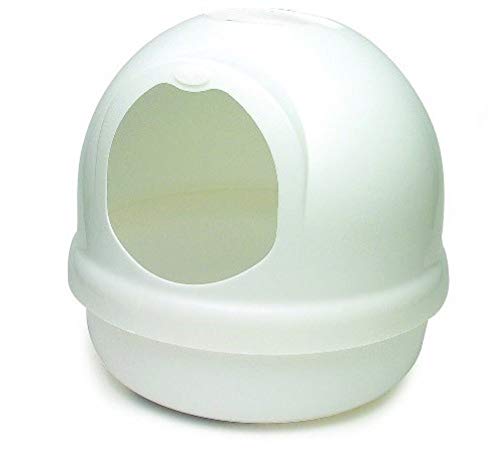
Petmate Booda Dome Covered Litter Box for a cat that already prefers privacy
A covered option can work as one station when a particular cat accepts it and benefits from visual separation. Keep it spacious, clean it often, and never make it the only box. Skip it if a cat hesitates at enclosed entrances or another cat can wait outside and block the exit.
View on Amazon
iPrimio Cat Litter Trapper Mat for keeping tracking around each station
Use a mat at the box that creates the most tracking, with enough clear floor for a comfortable exit. Empty it as part of the station routine so trapped granules do not become another source of mess. Skip rough or narrow mats that make an already busy route feel blocked.
View on Amazon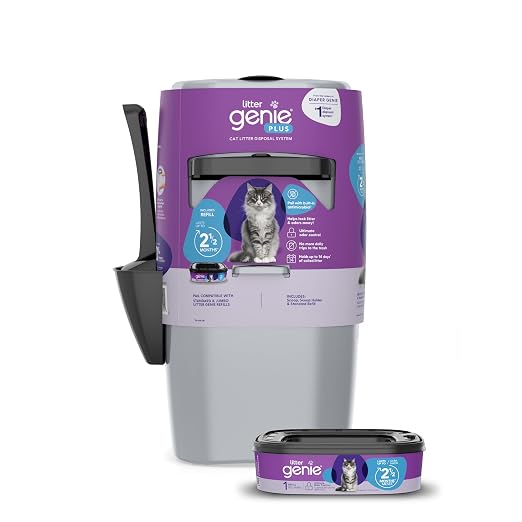
Litter Genie Plus Pail for keeping multi-cat waste from sitting open
A sealed pail makes it easier to scoop every station without leaving clumps in an open trash can. Put one near the main cleanup area, or use a separate small container if stations are far apart. Skip it if the refill system will make you delay cleaning or you already take waste outside immediately.
View on AmazonHow should you place the boxes?
| What you notice | Change first | Why |
|---|---|---|
| Two boxes are side by side. | Move one to another quiet zone | Separate locations create more real choices than a row of boxes in one room. |
| One cat waits outside the box. | Open the route or move the station | A guarded entrance can make a box unusable even when it is clean. |
| One box is always dirtier than the others. | Scoop that station more often | Usage is not always evenly distributed, and cats may reject a dirty high-traffic box. |
| One cat prefers privacy. | Offer a covered option plus another open box | Choice is safer than making every cat use the same enclosed design. |
| Accidents happen near a box. | Check access, size, cleanliness, and health | A new box alone will not solve pain, fear, conflict, or a difficult entrance. |
| Space is limited. | Prioritize separate paths and the largest usable boxes | A smaller number of accessible stations can be safer than cramped boxes packed together. |
What to skip
- Putting every box in one room. If a cat can control the doorway, the group may still have only one practical bathroom.
- One giant box as the entire plan. Size helps, but it does not create separate access or reduce social pressure.
- Making one cat use the box another cat prefers. Keep options open when preferences differ.
- Strong fragrance or essential oils. Do not mask multi-cat odor with concentrated scents around litter stations.
- Punishing accidents or guarding. Punishment can increase fear and make the litter problem harder to read.
- Ignoring a sudden change. New accidents, straining, or repeated trips can signal a health problem, not a shopping problem.
A 7-day multi-cat reset
- Day 1: Map every box, food station, sleeping area, doorway, and narrow passage. Mark where cats can block each other.
- Days 2-3: Move one box to a separate quiet zone and keep the old station familiar. Do not change litter and location at the same time.
- Days 4-5: Scoop all boxes on the same schedule and record which cats use which areas without forcing interaction.
- Days 6-7: Add a mat or sealed waste pail where cleanup is failing. Keep escape routes open and remove any station that creates a corner trap.
When gear is not enough
Ask your vet promptly about sudden litter avoidance, straining, repeated trips, blood, diarrhea, vomiting, appetite changes, or a cat that seems painful or distressed. If cats are stalking, fighting, or preventing access, separate them safely and seek qualified behavior guidance; do not punish or force shared use. Products can support a plan, but they are not a substitute for veterinary care or behavior help.
FAQ
How many litter boxes do multiple cats need?
A common starting point is one box per cat plus an extra when your home and budget allow, but usable placement matters as much as the count. Separate stations are more useful than boxes packed together.
Can two cats share one litter box?
Some cats will share, but one box can become a guarded or dirty resource. Offer additional accessible boxes and watch whether each cat can use one without being followed or blocked.
Should multi-cat litter boxes be covered?
Only if the cats using them are comfortable with the entrance and the box remains spacious and ventilated. Keep at least one open option when preferences or conflict are uncertain.
Why does one cat keep peeing outside the box?
Medical problems, stress, access conflict, box cleanliness, litter preference, and location can all contribute. A sudden change needs veterinary attention before you assume the cat needs a different product.