Quick verdict
To hide a litter box without trapping smell, choose a moisture-resistant enclosure with a wide, openable access panel and enough interior room for the actual box. Do not close the back and entrance around a cat-sized box just to make the furniture look tidy. Scoop daily, remove waste from the room, and keep the enclosure easy to wipe. An air purifier can support room air, but it cannot replace ventilation or waste removal.
What to try before buying anything
- Measure the box and the cat's route. Record the outer dimensions of the litter box, then check that the cat can enter, turn, dig, and leave without brushing against the furniture.
- Test the proposed location with a cardboard outline. Mark the enclosure footprint on the floor for a day. Make sure it does not block a hallway, radiator, window, door, food, water, or an escape route.
- Improve source control first. Scoop at least daily, seal waste immediately, and wash the box. Hiding an overdue box only moves the smell behind a panel.
- Leave the current setup available during the change. Move furniture gradually and watch for hesitation. Do not force a cat through a flap or lock them into a new enclosure.
Product shortlist
Buy the enclosure only after measuring the box. The other products support cleaning and air quality; they are not permission to use a smaller or airtight cabinet.

New Age Pet ecoFLEX Habitat 'n Home Litter Loo for hiding a standard box with wipeable furniture
This is the first buy when you need the box out of sight but still want a moisture-resistant enclosure that can be opened for cleaning. Check the interior dimensions against your box before ordering and keep the entrance unobstructed. Skip it if the interior is too tight for your cat to turn comfortably or if the only available placement blocks a route.
View on Amazon
iPrimio Stainless Steel Cat Litter Box for a cleanable box inside an enclosure
Use a stainless box when the old plastic pan has scratched, absorbed odor, or is hard to wash completely. It still needs daily scooping and enough space inside the furniture. Skip it if the change in texture or size would make your cat avoid the box; transition gradually and keep the old pan nearby.
View on Amazon
Litter Genie Plus Pail for removing scooped waste from the hidden area
A sealed waste pail keeps the used clumps from sitting in an open trash can beside or inside the furniture. Keep the pail outside the cat's enclosure so the cat still has a clear toilet area. Skip it if you already take each scoop directly outside.
View on Amazon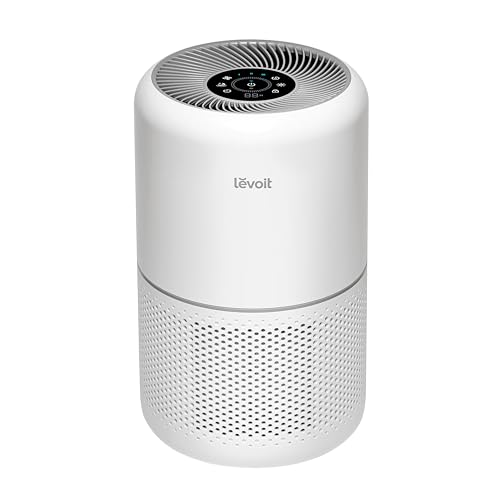
Levoit Core 300S Smart Air Purifier for supporting air quality near a small-home litter area
Place a purifier in the room, not inside the litter cabinet, where airflow can be blocked and litter dust can load the filter quickly. A carbon-containing filter may support room air, but it will not fix a dirty box or a closed enclosure. Skip it if the real issue is waste sitting in the room or urine outside the box.
View on AmazonWhich setup should you buy?
| Your constraint | Buy first | Why |
|---|---|---|
| You want furniture that hides the box in a living room. | Vented, wipeable enclosure | It hides the visual clutter while leaving access for cleaning and inspection. |
| The plastic box still smells after washing. | Cleanable stainless box | A fresh pan can remove one odor-holding surface from the setup. |
| The box is clean but used clumps linger nearby. | Sealed litter pail | Waste leaves the enclosure instead of continuing to broadcast odor. |
| The entire room feels stale after source control. | Room air purifier with carbon | It is a support layer for the room, not a substitute for ventilation or scooping. |
| Your cat hesitates at enclosed or covered boxes. | Open box plus a nearby furniture screen | Preserve the cat's preferred toilet access instead of forcing a hidden design. |
What to skip
- Airtight cabinets. If odor has nowhere to go, opening the door can release a concentrated smell and cleaning becomes harder.
- Flaps or narrow openings without a trial. Some cats dislike brushing against a flap or entering a dark tunnel.
- A cabinet that fits only a small pan. The hidden box still needs enough room for the cat to turn, dig, and leave comfortably.
- Air freshener inside the enclosure. Strong fragrance may make the toilet area less acceptable and does not remove the source.
- Keeping the food or water station beside the box. Hiding the litter does not make it a good neighbor for eating and drinking areas.
The no-trapped-smell setup
- Measure the litter box, the doorway, and the cat's turning space before buying furniture.
- Choose a moisture-resistant enclosure that opens fully for scooping and washing. Keep vents or an open back clear.
- Place the box so the entrance does not face a busy doorway, loud appliance, or dead-end corner.
- Scoop daily and move clumps into a sealed pail or outside immediately. Do not store an open waste bag inside the cabinet.
- Check the hidden area weekly for damp litter, urine marks, tracked litter, and reduced airflow. If the cat avoids the setup, reopen access and reassess.
When gear is not enough
Sudden litter-box avoidance, straining, frequent trips, crying, blood, repeated vomiting, major appetite changes, or distress are not cabinet problems first. Call your vet promptly for those signs. A cat that stops using a hidden box may be reacting to pain, stress, access, or a poor location; do not punish or confine the cat to make the furniture work.
FAQ
How do I hide a litter box without trapping smell?
Use a moisture-resistant enclosure with enough clearance, an accessible opening, and open or vented airflow. Scoop daily and remove waste from the room instead of relying on a closed cabinet.
Do hidden litter boxes smell more?
They can if the furniture is too small, airtight, hard to clean, or paired with an open waste bin. A well-sized enclosure can work when ventilation and source control remain part of the setup.
Should I put an air purifier inside a litter box cabinet?
No. Put it in the room where air can circulate. Inside a cabinet, the purifier may have restricted airflow and become exposed to more litter dust.
Will my cat use a litter box hidden in furniture?
Some cats will, while others dislike narrow entrances, flaps, darkness, or a noisy location. Introduce the enclosure gradually and keep access to the familiar box until the cat is using the new setup calmly.