Quick verdict
For a cat scratching leather furniture, put a tall, stable scratcher directly beside the damaged arm or corner and make its texture and height match the behavior. Cover or block the target temporarily with a loose throw or furniture-safe guard, but do not stick adhesive directly to leather without testing the exact finish. Reward the scratcher every time it is used; punishment can make the cat hide the behavior without teaching a better outlet.
What to try before buying anything
- Map the scratch. If the cat stands and stretches up the sofa arm, start with a tall vertical post. If it crouches and pulls across the seat or floor, add a horizontal cardboard scratcher too.
- Put the replacement at the damage. A scratcher across the room is easy to ignore. Place it beside the exact arm, corner, or exit route the cat already chooses.
- Make the leather less available. Remove dangling throws, cover the target with a loose washable layer, and move the sofa a few inches from a launch point if that is safe.
- Reward the first contact. Use calm praise, a treat, or a short play session when the cat touches the scratcher. Do not drag paws across it or force the cat to use it.
Product shortlist
Buy one scratcher that matches the cat's body position first. Add a second texture or claw-care tool only if the sofa is still the easier target.
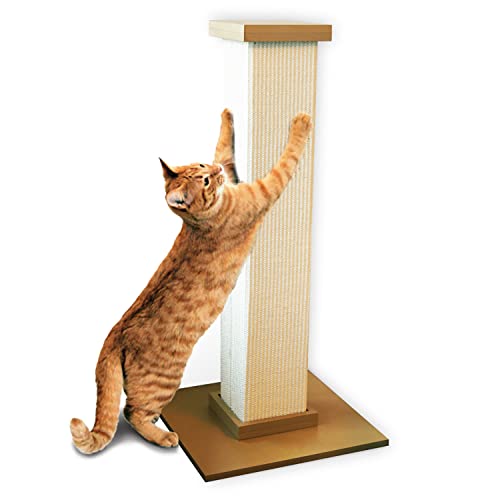
SmartCat Ultimate Scratching Post for vertical sofa-arm attacks
This is the strongest first test when your cat stands tall and pulls down the leather arm or corner. Its height and stable base let the cat stretch fully instead of shortening the movement on a small post. Skip it if the cat only scratches flat surfaces or if the post wobbles in your room.
View on Amazon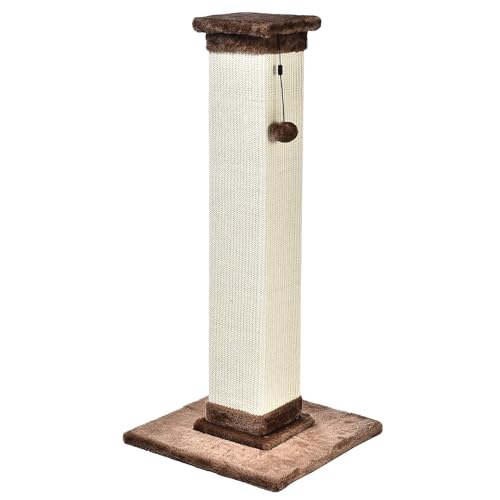
Amazon Basics Large Tall Cat Scratching Post for a simpler vertical redirect
Use this as a straightforward tall option when you want to test the vertical angle before buying a heavier post. Put it beside the sofa damage and check that the base stays stable during a full stretch. Skip it if your cat tips light furniture or needs a wider scratching surface.
View on Amazon
Kitty City XL Corrugated Cat Scratcher for cats that scratch the sofa seat or floor
A wide horizontal scratcher is a useful second test when the cat claws from a crouch, after a nap, or along the seat edge. Set it beside the sofa rather than across the room. Skip cardboard if your cat chews and swallows pieces.
View on Amazon
JW Pet GripSoft Cat Nail Clippers for reducing sharp-tip damage
Short, calm claw-care sessions can reduce how sharply a claw catches the leather while the redirect is working. Trim only the clear tip if you know how, and ask a vet or groomer for help when handling is difficult. Skip forced sessions that make the cat panic.
View on AmazonWhich setup matches the sofa damage?
| What you notice | Try first | Why |
|---|---|---|
| Claw marks run down the sofa arm. | Tall stable post | It matches the cat's full vertical stretch and pull. |
| Scratches are on the seat or front edge. | Wide horizontal scratcher | The cat is choosing a low, forward pull rather than standing. |
| The cat uses the post but returns to leather. | Move it closer and reward use | Placement and reinforcement may matter more than buying another shape. |
| Leather is being scratched during zoomies. | Short play session before rest | Redirecting the energy can reduce rehearsals at the furniture edge. |
| Claws snag and handling is calm. | Careful tip trimming | It can reduce snag damage while training continues, but it is not a replacement for a scratcher. |
What to skip
- Adhesive tape directly on leather. Residue, finish lift, or discoloration can be harder to repair than the original scratch.
- Short, unstable posts. They do not match a cat that wants a full-body vertical stretch.
- Spraying the cat or shouting. Punishment does not provide a better scratching surface.
- Furniture conditioner as a behavior fix. It may change the appearance of existing damage but will not redirect scratching.
- Moving the scratcher away from the sofa too soon. Keep it at the target until the new habit is established.
The 10-minute leather-safe reset
- Photograph the damaged area and identify whether the scratch is vertical, horizontal, or corner-focused.
- Place a stable matching scratcher directly beside the target and remove clutter from the approach.
- Cover the leather loosely with a washable throw or place a furniture-safe guard between the cat and the edge.
- Reward calm use of the scratcher and offer a short play session near it.
- Test any protector on a hidden section of the exact leather finish first; stop if it leaves residue, pulls, or changes color.
When gear is not enough
Scratching is normal cat behavior, but a sudden sharp increase can follow stress, conflict, a move, or a change in the home. Add safe vertical territory and ask a qualified behavior professional for help if the scratching is part of a larger pattern of distress. For existing leather damage, consult the furniture maker or a leather repair specialist before applying cleaners, oils, tape, or color products.
FAQ
How do I stop my cat from scratching a leather sofa?
Put a tall stable scratcher directly beside the damaged area, match the cat's preferred angle, cover the leather temporarily, and reward use of the replacement.
Can I put double-sided tape on a leather couch?
Do not apply adhesive directly to leather without testing the exact finish. Residue or finish damage can be difficult to repair; use a loose washable cover or a furniture-safe guard instead.
What kind of scratcher is best for a leather sofa?
Choose a tall vertical post for sofa-arm scratches and a wide horizontal scratcher for seat or floor-level scratching. Stability and placement beside the target matter as much as material.
Will trimming my cat's nails stop sofa scratching?
It may reduce sharp-tip damage, but it does not remove the need to scratch. Use calm claw care as a supporting step while redirecting the behavior to an appropriate scratcher.