Quick verdict
Choose an open litter box first when your cat is picky, the room needs airflow, or you want to see and clean the box easily. Consider a covered box only when your cat already accepts that shape and you need help with scatter, spraying, or visual privacy. A lid does not remove waste odor; it can concentrate it inside the box and make the space feel less inviting if the box is small or poorly ventilated.
What to check before buying
- Start with box size. Your cat should be able to enter, turn, dig, and leave without pressing against the walls. A cramped covered box is still cramped when the lid is removed.
- Identify the actual mess. Use an open box for easy inspection and routine cleanup. Use a cover only if the problem is a specific scatter or privacy issue and your cat is comfortable with the entrance.
- Check the route in and out. Do not place a covered box in a corner where the cat can feel trapped. Keep the entrance clear and avoid doors that can close.
- Keep the familiar option during a transition. Put the new box beside the old one with familiar litter. Let your cat choose before removing the old setup.
- Clean the box, not just the floor. Scoop at least daily and wash the box on a regular schedule. A lid cannot compensate for waste that sits inside.
Product shortlist
These products cover the decision points without pretending one style fits every cat. Buy the box that matches your cat and space first; add containment gear only for the mess that remains.

PetFusion BetterBox Non-Stick Litter Box for an easy-to-inspect open setup
An open box is the practical baseline when you want a visible entrance, straightforward scooping, and better airflow around the litter. Use it in a quiet location with enough room for your cat to turn. Skip it only if the open format leaves a specific spraying or scatter problem that your cat tolerates a covered design to solve.
View on Amazon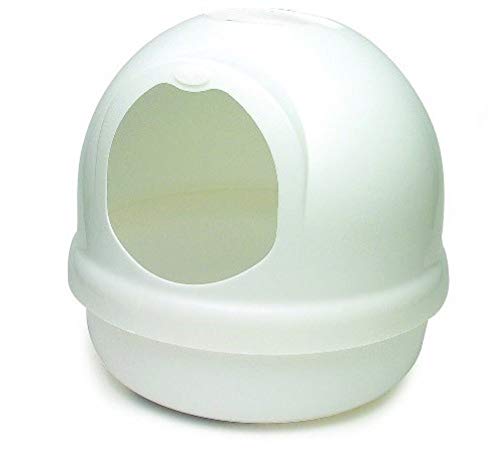
Petmate Booda Dome Covered Litter Box for cats that already accept a covered entrance
A covered dome can give some cats more visual privacy and can help keep a portion of scatter inside the box. Place it where the entrance stays clear and clean it more often if odor builds up. Skip it for a cat that hesitates at enclosed entrances, dislikes stale air, or has started avoiding the litter box.
View on Amazon
iPrimio Cat Litter Trapper Mat for tracking that the lid does not solve
A mat addresses granules that leave the box on paws, whether the box is open or covered. Give your cat a comfortable step-out path and empty the trapped litter routinely. Skip rough or oversized mats if they make the entrance feel blocked.
View on Amazon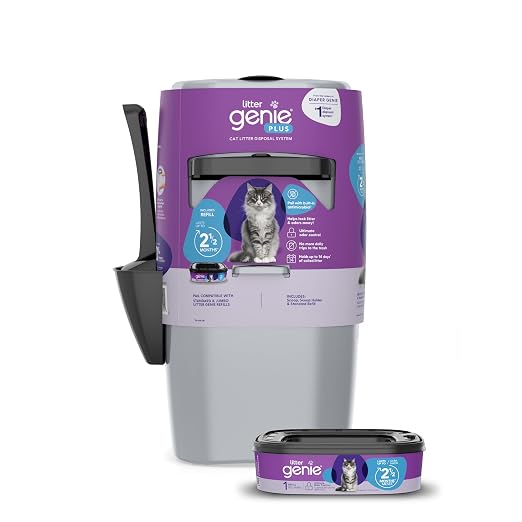
Litter Genie Plus Pail for odor control after either box choice
A sealed waste pail supports the routine that matters more than the lid: removing clumps promptly. Keep it close enough to use after every scoop and out of reach of chewing cats. Skip it if you already take waste directly outside after cleaning.
View on AmazonWhich litter box style fits?
| What is happening | Start with | Why |
|---|---|---|
| Your cat is new, nervous, or picky about boxes. | Large open box | The visible entrance and easier airflow usually create fewer new variables during setup. |
| You need to see whether the box is clean. | Open box | Inspection and scooping are faster when the whole box is visible. |
| Your cat already uses covered boxes and scatter is the main issue. | Covered box plus mat | The cover can contain some scatter, while the mat catches what leaves on paws. |
| Odor is the main issue. | Either box plus daily scooping | A lid can hold odor in the box; waste removal and ventilation address the source. |
| Your cat hesitates, rushes out, or avoids the covered box. | Return to the familiar open setup | Reliable litter-box use matters more than privacy or visual tidiness. |
| You need protection from a dog or another pet. | Separate access or a carefully tested covered setup | Do not make the cat climb or squeeze into a box just to reach a safe bathroom. |
What to skip
- Buying a lid to hide odor. A cover may reduce what you see, but it does not remove waste and can concentrate smell inside the box.
- Forcing a cat through a covered entrance. Do not push, carry, or punish a cat for refusing a new box.
- A tiny enclosed box. Measure the interior, not just the outside, and leave room to turn and dig.
- Strong fragrance or essential oils. Do not use scent to make a box more acceptable; it can make the area less comfortable.
- Removing the familiar box immediately. Give the new design a trial period beside the old one.
- Assuming tracking is solved by a lid. Paws can carry litter out through any entrance, so placement and a mat still matter.
A low-stress box comparison
- Day 1: Put the candidate box beside the current box in a quiet, accessible location. Use the same litter and keep the route clear.
- Days 2-4: Scoop both boxes equally and note which box your cat chooses, how easily they enter, and whether they leave calmly.
- Days 5-7: Check the actual mess: scatter, tracking, odor, and cleaning time. Keep the box that supports reliable use and solves the biggest problem.
- After the trial: Remove the old box only after the new one is being used consistently. Keep the new setup stable for a while before adding more changes.
When the box style is not the real problem
Sudden litter-box avoidance, straining, repeated trips, blood, diarrhea, vomiting, or major changes in appetite or behavior need veterinary attention. Do not assume a cat is being stubborn about a covered box when a health problem may be making elimination painful. Stop the product experiment, restore the safest familiar setup, and ask your vet promptly. Gear is not a substitute for veterinary care.
FAQ
Is a covered or open litter box better?
Neither is universally better. An open box is usually the easier starting point for access, airflow, and cleaning; a covered box can work for a cat that accepts it and needs more privacy or scatter containment.
Does a covered litter box reduce smell?
It can hide some odor from the room temporarily, but it does not remove waste and may concentrate odor inside the box. Scoop daily and ventilate the area instead of relying on a lid.
Will a covered litter box stop tracking?
It may contain some scatter, but litter can still leave on paws through the entrance. A comfortable mat and correct placement are useful with either design.
How do I switch my cat from an open to a covered box?
Put the new box beside the familiar one with the same litter, keep both clean, and wait for consistent use before removing the old box. Stop if your cat shows avoidance or distress.