Quick verdict
When litter box smell starts after a food switch, first ask whether the odor is coming from fresh stool, urine, old residue, or waste sitting in the room. Scoop promptly, seal waste, and keep the litter itself consistent while you observe. Do not keep changing food, litter, and box style at the same time; it becomes impossible to tell what helped and can make a sensitive cat avoid the box.
What to check before buying anything
- Identify the source. Notice whether the smell is strongest immediately after stool, when urine clumps are uncovered, or around the box and nearby floor.
- Keep a short log. For several days, note food, appetite, stool consistency, frequency, box use, and whether the odor improves after prompt scooping.
- Do not stack changes. Keep the box location and litter texture stable while you assess the food change. If you must change food, follow the transition plan from your veterinarian or food label.
- Clean the perimeter. Check the wall, baseboard, mat, and floor for an old miss or damp litter that can smell even when the box looks clean.
Product shortlist
Buy the missing layer in the odor chain. These products support source control; none of them can diagnose why stool or urine changed.
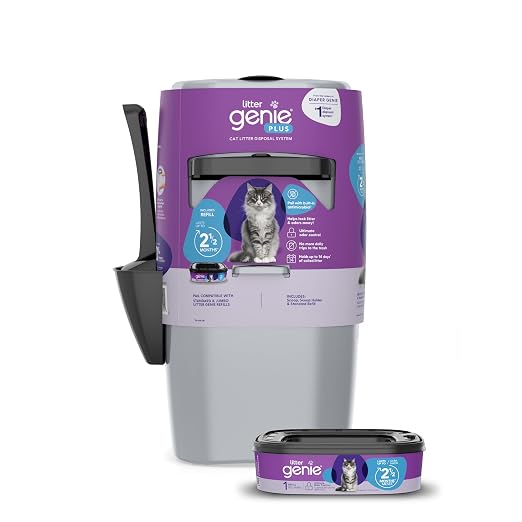
Litter Genie Plus Pail for sealing fresh waste
This is the first buy when the smell is clearly from stool but the waste remains in an open trash can after scooping. Keep the pail outside the cat's food and resting areas, and empty it regularly. Skip it if you take bagged waste outside immediately.
View on Amazon
DuraScoop Original Cat Litter Scoop for removing waste without crumbling it
A sturdy scoop helps when broken clumps or smeared residue are adding a second odor source. Use slow, shallow passes and clean the scoop itself. Skip it if your current scoop already removes clumps intact.
View on Amazon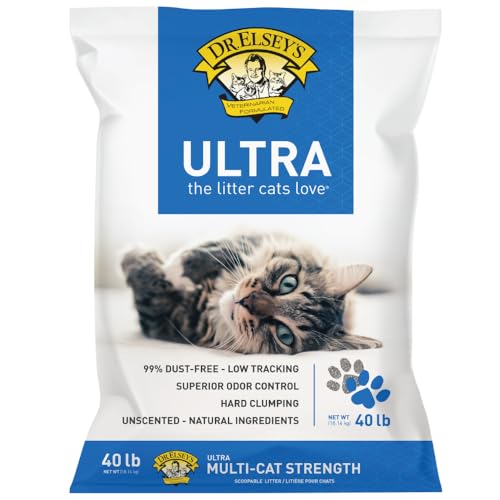
Dr. Elsey's Ultra Unscented Clumping Litter for keeping urine clumps intact
Consider this only when the odor is also coming from urine clumps that crumble, smear, or leave wet spots. Change litter gradually and keep a familiar option during the test. Skip a litter change if your cat is already reluctant to use the box.
View on Amazon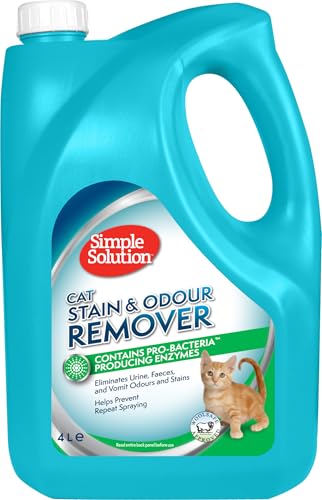
Simple Solution Cat Stain and Odor Remover for urine outside the box
Use an enzymatic cleaner when the smell is on the floor, wall, baseboard, rug, or litter mat rather than in the box. Follow the label for the specific surface, spot-test first, and keep the cat away until the area is dry. Skip it if no outside-box odor exists.
View on Amazon
PetFusion BetterBox Non-Stick Litter Box for a box that keeps holding odor
If the litter and surrounding floor are clean but the plastic box still smells, a smoother open box can make washing and inspection easier. Keep the familiar box nearby during the transition. Skip a box change when the odor follows sudden box avoidance or urinary discomfort.
View on AmazonWhich fix matches the smell?
| What you notice | Try first | Why |
|---|---|---|
| Strong smell right after stool. | Scoop and seal waste | The food may have changed stool odor, but the immediate fix is removing the source from the room. |
| Odor fades after the waste leaves the room. | Sealed pail or outside bin routine | The litter box may be fine; the open waste container is the lingering source. |
| Urine smell stays after scooping. | Intact-clump litter and a better scoop | Broken or smeared clumps leave residue behind. |
| Smell is around the box, not inside it. | Enzymatic perimeter cleanup | An old miss or damp mat can keep smelling after the box is cleaned. |
| Smell comes with diarrhea, vomiting, appetite change, or lethargy. | Veterinary advice | Gear cannot tell you whether a food change is being tolerated safely. |
What to skip
- Air freshener as the first fix. It masks odor while the source remains in the box or waste bin.
- Changing food and litter together. You lose the ability to identify the cause and may create box refusal.
- Heavy perfume or deodorizer powder. Some cats dislike strong scents, and fragrance does not remove residue.
- Repeated food switches without a plan. Ask your veterinarian if the odor persists or other symptoms appear.
The 10-minute odor reset
- Scoop the box and remove waste from the room or place it in a sealed pail.
- Inspect the box bottom, rim, mat, wall, baseboard, and floor for damp residue or an old miss.
- Wash the box with mild soap and water, then dry it fully before refilling.
- Keep the current litter and box location steady while you log stool, appetite, and box use.
- If the smell is outside the box, use a surface-appropriate enzymatic cleaner and let the area dry before access.
When gear is not enough
Contact your veterinarian promptly if the food change is followed by repeated vomiting or diarrhea, blood, straining, pain, major appetite or thirst changes, weight loss, marked lethargy, or sudden box avoidance. A strong stool smell by itself is not a diagnosis, and odor-control products should not delay care when your cat seems unwell.
FAQ
Why does my litter box smell worse after changing food?
A food change can alter stool odor or consistency, but the smell may also come from waste sitting in the room, broken urine clumps, or residue around the box. Check each source separately.
Should I change the litter after changing cat food?
Usually not at the same time. Keep the litter and box routine stable while you observe the food change, unless your veterinarian recommends otherwise.
How do I reduce cat poop smell in the litter box?
Scoop promptly, seal the waste, wash the box on a regular schedule, and avoid using fragrance as a substitute for source control.
When should I call a vet about strong litter box smell?
Call promptly when the odor comes with vomiting, diarrhea, blood, pain, straining, appetite changes, lethargy, weight loss, or sudden box avoidance.