Quick verdict
For a new kitten, the first litter setup should be open, stable, easy to step into, and placed close to the kitten's temporary home base. Use a familiar, unscented litter when possible, keep the depth consistent, and scoop often enough that the box stays inviting. Add a mat and cleanup tools only after the kitten can reliably find and enter the box.
What to do before buying anything
- Choose access over containment. Use a shallow, open box with a stable base. A very young or unsteady kitten should not have to climb over a tall rim or use a top-entry opening.
- Keep the route short. Put the box near the kitten's sleeping area, but away from food and water. Add a second box if the home has multiple floors or the kitten cannot reach the first one quickly.
- Make the litter predictable. Keep the same texture and depth while the kitten learns. If a switch is necessary, mix gradually and keep a familiar option available.
- Reward the routine, not the accident. Quietly place the kitten in the box after waking, eating, or active play. Never punish misses; clean them thoroughly and make the box easier to reach.
Product shortlist
Buy the box and litter that fit the kitten first. The other items support the daily routine or become useful as the kitten grows. Do not buy every card at once.

PetFusion BetterBox Non-Stick Litter Box for an open, easy-to-inspect station
Use an open box when you want to see whether the kitten can enter, turn, and use it without hesitation. Check the actual rim height and interior size before ordering; this full-size box may be better for a growing kitten than a tiny baby. Skip it for a very young kitten if the entry is too high, and use a shallow temporary pan instead.
View on Amazon
Dr. Elsey's Kitten Attract Litter for a kitten that is slow to choose the box
This is an optional training aid, not a requirement for every kitten. Consider it when placement and access are correct but the kitten needs extra help recognizing the litter area. Follow your rescue or veterinarian's guidance for very young kittens and litter type. Skip it if the kitten is already using a familiar litter reliably.
View on Amazon
iPrimio Cat Litter Trapper Mat for the first steps outside the box
Place a mat where the kitten actually lands after leaving the box. A catch zone helps with loose grains without changing the box itself. Start with one mat and make sure its edge does not curl or block the route. Skip it if the kitten is still learning and keeps stepping around unfamiliar surfaces.
View on Amazon
DuraScoop Original Cat Litter Scoop for a simple daily cleanup routine
A scoop that removes clumps cleanly makes it easier to keep the box inviting and notice changes in output. Store it outside the kitten's food area and clean it regularly. Skip the upgrade if your current scoop already works and fits the box.
View on Amazon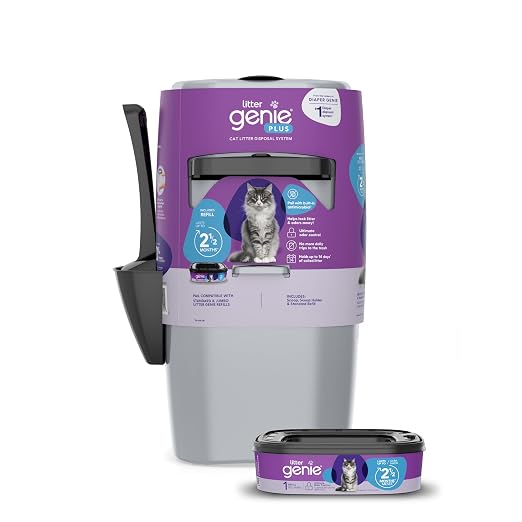
Litter Genie Plus Pail for keeping scooped waste contained
A sealed waste pail can keep used clumps from sitting in an open trash can beside the kitten's box. Place it where adults can use it easily but the kitten cannot chew or knock it over. Skip it if you take bagged waste outside after each scoop.
View on Amazon
Bissell Pet Hair Eraser Cordless Hand Vacuum for litter that escapes the starter zone
A small vacuum is useful once the kitten is using the box but a few grains reach baseboards, rugs, or carpet edges. Keep it outside the kitten's route and empty it regularly. Skip it if a broom or your normal vacuum is already quick to reach.
View on AmazonWhich setup should you use?
| Situation | Start with | Why |
|---|---|---|
| Very young, small, or unsteady kitten. | Shallow open pan | Easy access matters more than high walls or odor containment. |
| Kitten uses the box but scatters litter at the exit. | One catch mat | It contains the first steps without changing a setup the kitten already understands. |
| Kitten is not choosing the box after access is fixed. | Placement review, then optional attract litter | Location and routine come first; an attractant is a support tool, not the whole training plan. |
| Several rooms or more than one floor. | Second accessible box | A kitten cannot use a box it cannot reach quickly. |
| Accidents are sudden or frequent. | Vet or rescue guidance | Do not treat a health, stress, or access problem as a shopping problem. |
What to skip
- Top-entry boxes. They add a climb and jump that a young kitten may not manage safely.
- High walls as the first answer. Containment is secondary to easy entry and a clear view of the box.
- Strong fragrance. Perfume does not teach box use and may make the area less comfortable.
- Too many changes at once. Keep the box, litter, location, and routine stable while the kitten learns.
- Punishment for misses. It can make the kitten hide elimination instead of making the box feel safer.
The 10-minute kitten setup
- Put a stable open box in the kitten's home base, with a clear path and no food or water beside it.
- Use the litter texture the kitten already knows when possible; keep the depth consistent.
- After naps, meals, and active play, place the kitten near the box and let it investigate without forcing it.
- Scoop frequently and note whether the kitten is entering, turning, and leaving normally.
- Add a mat only after the kitten accepts the box; add a second box if distance is the real problem.
When gear is not enough
Call a veterinarian or ask the rescue for guidance if the kitten strains, cries, has blood in the urine or stool, vomits repeatedly, stops eating, seems painful, becomes unusually lethargic, or suddenly avoids the box. Repeated accidents can also come from stress, access, litter preference, or a medical problem; products alone cannot identify the cause.
FAQ
What is the best litter box setup for a kitten?
Start with a stable, open box that the kitten can enter without climbing or jumping. Put it near the kitten's home base, away from food and water, and keep the litter routine consistent.
Should a kitten use a covered litter box?
Usually not as the first choice. A covered or top-entry box can add access and visibility problems; wait until the kitten is older and reliably using an open box before testing a different style.
How many litter boxes does a kitten need?
One accessible box may work in a small home base, but add another when the kitten has more than one floor, a large area, or a long route to the first box.
What if my kitten keeps missing the litter box?
Check access, distance, litter texture, cleanliness, and stress first. If misses persist or there are signs of pain or illness, contact a veterinarian or the rescue instead of buying more gear.