Quick verdict
The best bedroom litter box setup is usually an open, appropriately sized box in a quiet corner with a clear exit, a washable mat, and a sealed waste pail nearby. Scoop at least daily, keep the box away from your pillow and from direct heating or cooling vents, and use gentle airflow rather than perfume to manage the room. If the box must be enclosed in furniture, leave generous ventilation and make sure the door cannot trap your cat inside.
What to try before buying anything
- Choose the least disruptive corner. Pick a location with a clear route in and out, enough light for you to clean, and distance from food and water. Do not put the box behind a door that can close.
- Measure the usable space. Keep enough room for your cat to turn, dig, and leave without brushing against the bed or furniture. A cramped box creates more mess and can make the cat avoid it.
- Reset the cleanup timing. Scoop before sleep and again when you wake up if the box is in the bedroom. A small covered waste pail beside the box reduces trips without leaving an open trash can near the bed.
- Keep airflow gentle and ordinary. Ventilate the room when possible, but do not aim a fan directly into the box or use strong fragrance to cover odors.
- Watch the cat, not just the room. If your cat hesitates, crouches at the entrance, or suddenly changes litter habits, stop optimizing the decor and investigate the cause.
Product shortlist
Start with the box and the daily cleanup path. Air filtration can support a small bedroom, but it cannot replace scooping or compensate for a box that your cat finds difficult to use.

PetFusion BetterBox Non-Stick Litter Box for a bedroom-friendly open setup
An open box keeps the entrance visible and makes daily scooping easier in a room where you need to notice mess quickly. Place it with the long side against a wall only if your cat still has a comfortable approach and exit. Skip a box that leaves too little turning space or forces your cat to squeeze beside the bed.
View on Amazon
iPrimio Cat Litter Trapper Mat for keeping bedroom tracking in one zone
A double-layer mat gives loose granules somewhere to land before they reach the bed or hallway. Leave a natural step-out area rather than forcing your cat to leap over it. Skip rough textures or oversized mats that make the route feel blocked.
View on Amazon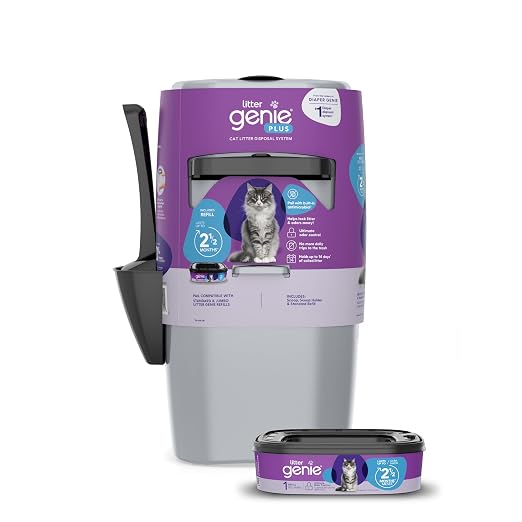
Litter Genie Plus Pail for sealing scooped waste near the box
A dedicated pail keeps each scoop from sitting in an open bedroom trash can. Put it close enough that you will use it after every scoop, but not where the cat can knock it over or chew the refill. Skip it if you already carry waste directly outside after each cleaning.
View on Amazon
Amazon Basics Air Purifier for a small bedroom with lingering residue
A compact purifier can support general room air when the litter box is in a small bedroom, especially after the source of odor and dust has been reduced. Keep it stable, protect the cord, and leave the cat's escape route open. Skip it as a substitute for scooping, litter changes, or veterinary advice.
View on AmazonWhich setup should you buy?
| What your bedroom is like | Buy first | Why |
|---|---|---|
| There is one quiet corner with a clear exit. | Open litter box plus mat | Access and easy cleaning matter more than hiding the box. |
| The box is close to the bed and odor lingers overnight. | Sealed waste pail plus fixed scoop routine | Removing clumps promptly changes the source of the smell. |
| The room is small and feels stale after cleaning. | Source control first, purifier second | Air filtration can support ventilation, but it cannot replace daily waste removal. |
| Your cat dislikes covered or unfamiliar boxes. | Keep the familiar open box | Reliable use is more important than a visually hidden setup. |
| You need furniture around the box. | Ventilated enclosure with an always-open escape path | Furniture must not trap odor, heat, dust, or the cat inside. |
What to skip
- Strong fragrance or essential oils. Scent does not remove waste odor and may make the bedroom or box less comfortable for your cat.
- A sealed cabinet with a tiny entrance. It can trap odor, reduce ventilation, and make the box feel unsafe.
- Placing the box beside food or water. Use the bedroom only if you can preserve separate, calm zones.
- An open trash can beside the bed. It turns every scoop into an odor source until the next trash run.
- A fan aimed into the litter. It can spread dust and odors through the room instead of improving the setup.
- Blocking the route with storage. A narrow path may look tidy but can make the cat feel cornered while using the box.
The quiet bedroom litter routine
- Morning: Scoop the box, tie off waste, and check the mat before the room becomes busy.
- Evening: Scoop again before sleep, wipe the nearby floor if needed, and make sure the exit is clear.
- Weekly: Empty and wash the box according to the material and litter instructions. Dry it fully before refilling.
- Monthly: Check the mat, pail, purifier filter, cords, and furniture for trapped dust, leaks, or chewing damage.
When gear is not enough
A bedroom box should not be used to explain away sudden litter avoidance, straining, blood, repeated trips, diarrhea, vomiting, or major changes in appetite or behavior. Ask your vet promptly about those signs. If your cat is distressed by the room or the box, do not force the setup or use punishment; make a safer temporary arrangement and seek veterinary or qualified behavior advice. Products are not a substitute for care.
FAQ
Can I keep a litter box in my bedroom?
Yes, if the box is easy for your cat to reach, separated from food and water, cleaned daily, and placed where the room has practical airflow and a clear escape route.
How do I stop a bedroom litter box from smelling?
Scoop at least daily, remove waste in a sealed pail, keep the box clean, and address litter or health issues at the source. Do not rely on fragrance to cover the smell.
Should a bedroom litter box be covered?
Not automatically. An open box is often easier to inspect and ventilate. If you use furniture or a cover, it must be spacious, ventilated, and never trap the cat inside.
Where should a litter box go in a small bedroom?
Choose the quietest accessible corner with a clear route in and out. Keep it away from the bed when possible, away from direct vents, and out of any spot where a closing door could block access.