Quick verdict
Do not start with air freshener. Scoop the box completely, wash away residue with a cat-safe cleaner, dry it, and then remove clumps at least daily before they crumble into the remaining litter. If clumps stick to the bottom, a sturdy scoop or a different unscented clumping litter may help. If the smell is actually on the floor, wall, rug, or box exterior, treat that surface separately with an enzymatic cleaner.
What to try first
- Find the wet source. Lift the litter out of the box in sections and check the bottom, corners, underside, nearby wall, and floor. Ammonia smell often survives where a quick scoop misses residue.
- Empty and wash the box. Use warm water and a mild, unscented cleaner suitable for the surface. Rinse thoroughly and let the box dry fully before refilling.
- Scoop clumps whole. Use slow passes under the clump instead of crushing it. Broken urine clumps leave wet litter behind and spread odor through the box.
- Keep the depth consistent. A stable litter layer helps urine form removable clumps instead of reaching the bottom. Follow the litter label as a starting point and watch your cat's comfort.
- Check outside the box. If the box itself is clean but the room still smells, inspect baseboards, grout, rugs, and the area behind the box for urine spots.
Product shortlist
Choose based on the source of the odor. Better clump removal is the first upgrade; enzymatic cleaner is for urine outside the box, not for masking an unclean litter bed.
DuraScoop Original Cat Litter Scoop for removing wet clumps cleanly
A sturdy scoop is useful when a thin plastic scoop breaks clumps apart or bends before reaching the bottom. Use shallow, steady passes so the urine clump comes out whole. Skip it if your current scoop already cleans the box without crumbling clumps.
View on Amazon
Dr. Elsey's Ultra Unscented Clumping Litter for firm clumps without perfume
Consider this as a gradual test when your current litter crumbles, leaves wet spots, or relies on heavy fragrance. The goal is removable clumps and source control. Skip an abrupt litter switch if your cat is picky or already avoiding the box.
View on Amazon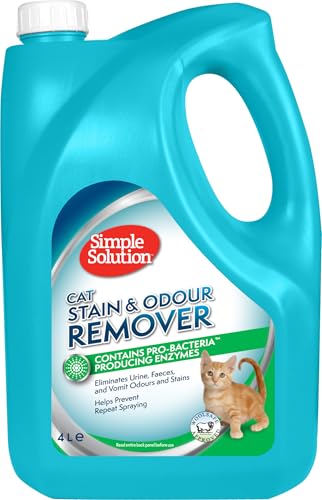
Simple Solution Cat Stain and Odor Remover for urine outside the box
Use an enzymatic cleaner on rugs, grout, baseboards, or the floor around the box when the odor remains after the box is clean. Spot-test soft surfaces, follow the label, and keep the cat away while the area is being treated and dried.
View on Amazon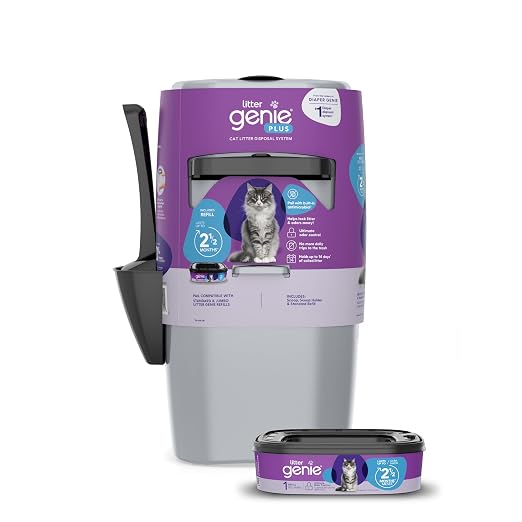
Litter Genie Plus Pail for sealing scooped waste
A sealed waste pail keeps removed clumps from sitting in an open trash can beside the box. Put it close enough to use after every scoop. Skip it if you already take waste outside immediately or if a refill system would make cleaning less convenient.
View on AmazonWhere is the ammonia smell coming from?
| What you notice | Try first | Why |
|---|---|---|
| Smell is strongest when you open the box. | Empty, wash, dry, and scoop daily | Wet residue or broken clumps may be staying in the litter bed or box corners. |
| Clumps break apart when you scoop. | Sturdier scoop or gradual litter test | Whole clumps are easier to remove before urine spreads through nearby litter. |
| Smell is strongest under the box. | Inspect and enzymatically clean the floor | Urine can travel under a box or into a mat even when the litter looks clean. |
| The plastic box still smells after washing. | Replace the odor-holding box gradually | Some surfaces keep residue; keep the familiar box available during a transition. |
| Smell returns very quickly with frequent urination. | Call your vet | A sudden change in urine volume, frequency, or box use is not a deodorizer problem. |
What to skip
- Air freshener as the first fix. Fragrance can hide the signal while wet residue continues to build up.
- Bleach or mixed cleaners around urine. Never mix cleaning products; ventilate the area and follow the product label.
- Leaving a saturated box for a weekly deep clean. Daily scooping is the odor-control step that keeps urine clumps removable.
- Suddenly changing litter, box, and location together. Make one change at a time so reliable box use is not lost.
- Using fragrance or essential oils near the box. Strong scents can make the area less comfortable for some cats and do not remove urine residue.
The 15-minute ammonia reset
- Move the cat safely away from the cleaning area and open a window or improve ventilation.
- Empty the box, discard saturated litter, and inspect the bottom, corners, mat, wall, and floor.
- Wash the box with a mild, unscented cleaner, rinse completely, and let it dry.
- Clean any outside-box urine with an enzymatic product according to its label; do not layer other cleaners over it.
- Refill with fresh litter, restart daily scooping, and note how quickly the smell returns.
When gear is not enough
Ask your vet promptly about a sudden ammonia smell paired with frequent urination, straining, crying, blood, accidents, repeated box trips, strong thirst, vomiting, appetite changes, or visible distress. Urine odor can be a cleaning issue, but a change in urination may signal a health problem. Products are not a substitute for veterinary care.
FAQ
Why does my cat litter box smell like ammonia after scooping?
Urine may be remaining in broken clumps, stuck to the bottom or corners, or sitting outside the box. Empty and wash the box, clean nearby surfaces, and use a scoop that removes clumps whole.
How often should I scoop to stop ammonia smell?
Scoop at least daily and more often when several cats share a box. The exact schedule depends on use, but waiting for a weekly deep clean lets wet residue stay in the box too long.
Can changing litter fix an ammonia-smelling box?
It can help when the current litter crumbles or leaves wet spots, but clean the box and check outside surfaces first. Change gradually so your cat does not reject the new texture.
Is ammonia smell from cat litter a reason to call the vet?
The smell alone may be a cleaning problem, but call your vet promptly if it appears with sudden changes in urination, straining, blood, accidents, vomiting, appetite changes, or distress.