Quick verdict
For cats that hate carriers, buy a top-load hard carrier first if vet trips are the main problem. Top access makes loading less like pushing a cat through a front door. Leave the carrier out between trips, feed treats near it, and avoid using it only when something scary happens. A soft carrier can work for calm cats or travel rules, but a panicked cat is usually easier to manage in a sturdy carrier with a removable top or top door.
What to try before buying anything
- Leave the carrier out for a week. Put it in a normal room with the door open so it stops appearing only before vet visits.
- Put bedding inside. Use a towel or small blanket that already smells like home.
- Feed treats near it, not inside at first. Move the reward closer only when the cat stays relaxed.
- Practice closing the door for seconds. Open it again before the cat panics, then build slowly.
Product shortlist
Choose the carrier based on the hard part: loading, carrying, vet handling, or cleanup. The accessories only help if the carrier itself is not fighting the cat's body language.
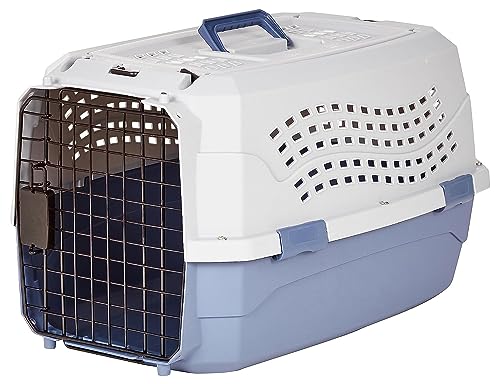
Amazon Basics 2-Door Top-Load Carrier for easier loading at home
This is the practical first buy when your cat braces against a front-entry carrier. The top door lets you lower the cat in calmly instead of pushing from behind. Skip it if your cat is too large to turn around comfortably inside; size the carrier to the cat, not just the listed weight.
View on Amazon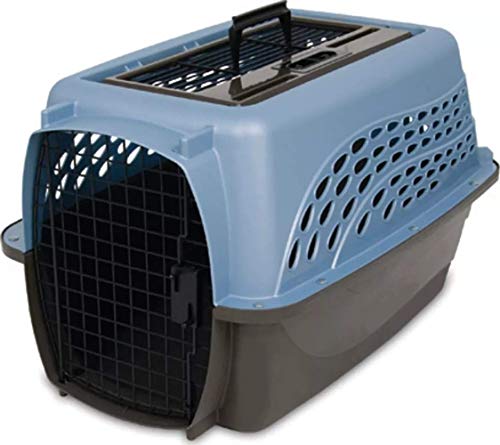
Petmate Two-Door Top-Load Kennel for vet trips and nervous loading
A hard-sided top-load kennel is useful when the trip is short, the cat may panic, or the vet needs easier access. The rigid shell is easier to stabilize in the car and easier to clean after accidents. Skip it for airline cabin travel unless you have checked the airline's current carrier rules.
View on Amazon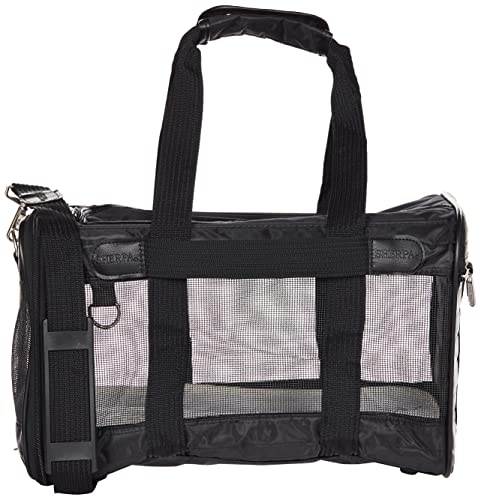
Sherpa Original Deluxe Travel Carrier for calmer cats and travel flexibility
A soft carrier can feel less cage-like and may work well for cats that can be trained gradually. It is easier to keep out as a resting spot, and the top and side entries help during practice. Skip soft mesh carriers for cats that claw, chew, or panic hard inside a carrier.
View on Amazon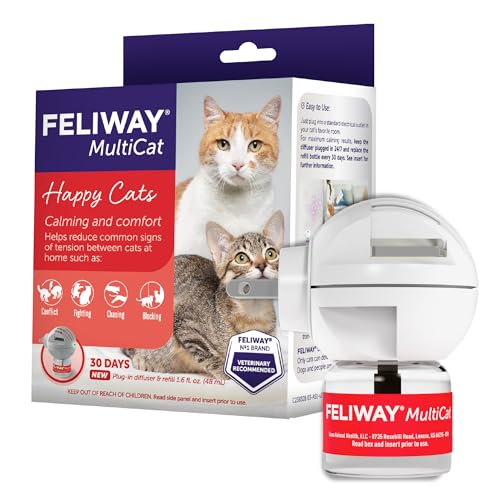
FELIWAY Classic Spray for pre-trip carrier scent prep
Use this as a support layer, not a magic off switch. Spray the carrier or bedding before the trip, then wait before letting the cat enter. Never spray it directly on your cat, and never spray inside the carrier while the cat is already in it.
View on Amazon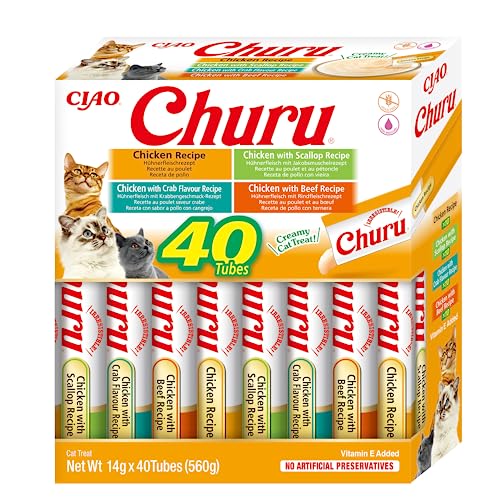
INABA Churu Lickable Cat Treats for carrier training rewards
A high-value lickable treat can help turn carrier practice into a small daily routine. Start by rewarding near the carrier, then at the door, then inside. Skip food rewards right before a car trip if your cat gets nauseated; ask your vet about travel nausea.
View on Amazon
Amazon Basics Absorbent Pads for carrier accidents and easy cleanup
Line the carrier under a towel or fleece layer if your cat urinates, drools, or vomits during stressful trips. It makes cleanup easier without making the carrier slippery. Skip loose pads for cats that shred or eat disposable material.
View on AmazonWhich setup should you buy?
| Problem | Buy first | Why |
|---|---|---|
| Cat fights the front door opening. | Top-load hard carrier | Lowering the cat in is often calmer than pushing from behind. |
| Cat panics or claws mesh. | Hard carrier | A rigid shell is easier to stabilize and harder to damage. |
| Cat can train gradually and travel calmly. | Soft carrier | It can stay out as a cozy resting space and may be easier to carry. |
| Carrier only appears before vet visits. | Treat routine before gear extras | The carrier needs new associations before the next scary trip. |
| Cat urinates, drools, or vomits in transit. | Absorbent pad plus vet advice | Cleanup helps, but nausea and extreme stress may need medical guidance. |
What to skip
- Dragging the cat from hiding. It teaches the cat that carrier day starts with a chase.
- Only bringing the carrier out for vet visits. That makes the carrier a reliable warning signal.
- Flimsy soft carriers for escape artists. Mesh and zippers matter when a cat panics.
- Backpack bubble carriers for scared cats. They can look fun online but may be cramped, exposed, and stressful.
The 10-day carrier reset
- Day 1-2: leave the carrier open in a normal room with familiar bedding inside.
- Day 3-4: place treats near the carrier, then just inside the entrance.
- Day 5-6: reward the cat for stepping inside without closing the door.
- Day 7-8: close the door for a few seconds, reward, and open it before panic starts.
- Day 9-10: lift the carrier briefly, set it down, reward, and stop while the cat is still calm.
When gear is not enough
If your cat injures themselves trying to escape, pants heavily, vomits repeatedly, urinates every trip, or becomes impossible to handle safely, talk to your vet before the next appointment. Some cats need a medical travel plan, not just a different carrier.
FAQ
What carrier is best for a cat that hates carriers?
A sturdy top-load carrier is usually the best first choice for vet trips because it avoids forcing the cat through a front opening. The carrier still needs slow practice at home.
Should I use a soft carrier or hard carrier for an anxious cat?
Use a hard carrier if the cat panics, claws, or needs easy vet access. A soft carrier can work for calmer cats that can be trained to enter voluntarily.
How do I get my cat into the carrier without a fight?
Leave the carrier out, reward calm approach, practice short door closures, and use top-loading for the actual trip. Avoid chasing the cat if you can plan ahead.
Can calming spray fix carrier panic?
Calming spray may help as a support layer, but it will not replace carrier training, correct sizing, or veterinary help for severe travel stress.